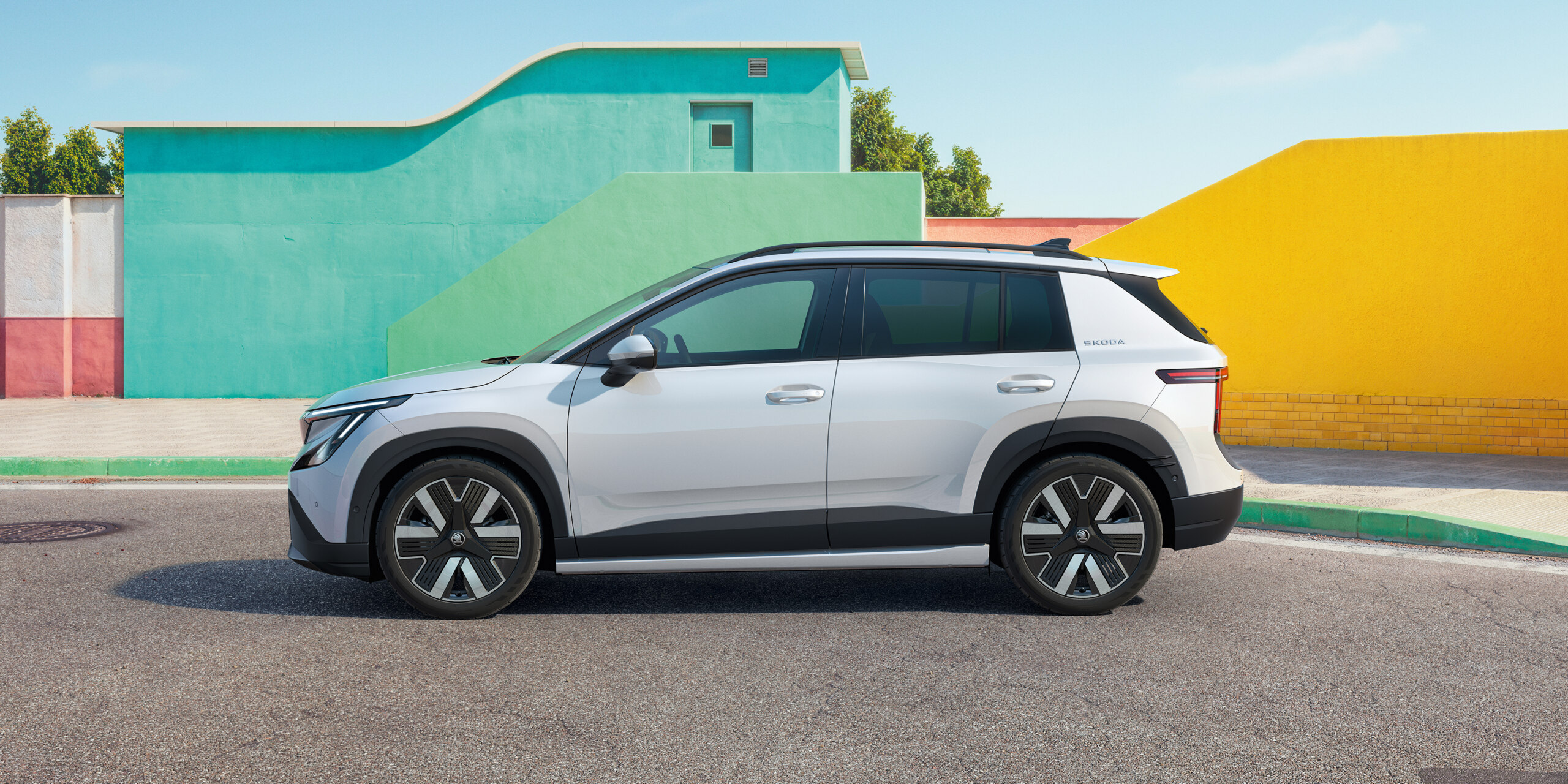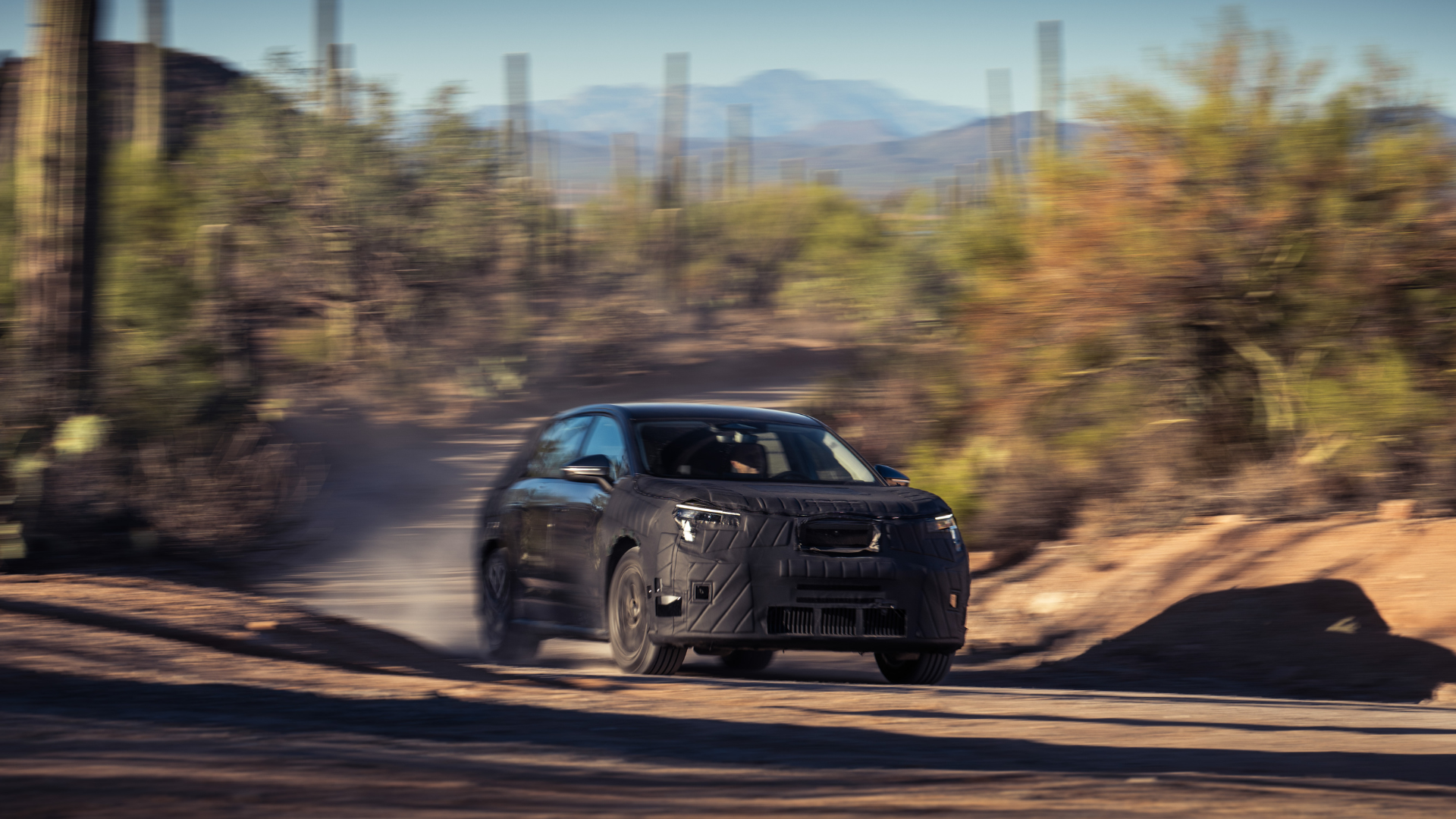

A car’s behaviour on the road is the result of meticulously considered engineering work that begins with the very first design sketches. Driving characteristics do not depend solely on the final chassis or steering set-up; they are rooted in the body structure itself. The impression experienced by both the driver and passengers is determined by the way the entire vehicle is engineered – an interplayof hundreds of individual design details.
To ensure that the Škoda Peaq delivers a comfortable ride while also feeling safe and stable, the development team had to focus intensively on the vehicle’s fundamental structure from the outset. Every single component of the body and chassis plays a clearly defined role within this complex system. In the case of the body structure, for example, although it is made of steel, the material is not the same throughout. Certain areas of the body are designed to allow only minimal deformation thanks to their exceptional strength. Other sections are engineered to absorb impact energy through controlled deformation.
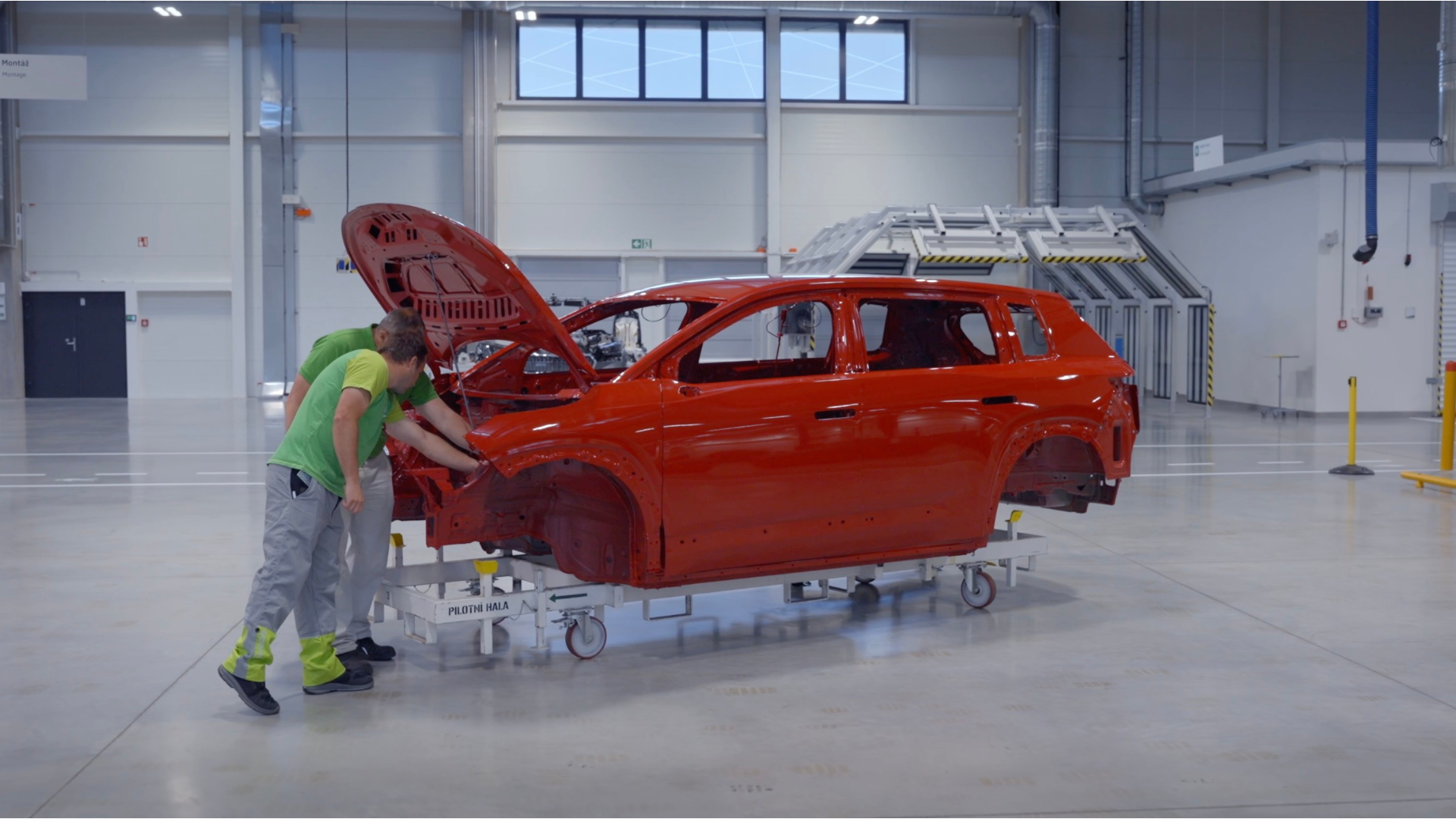
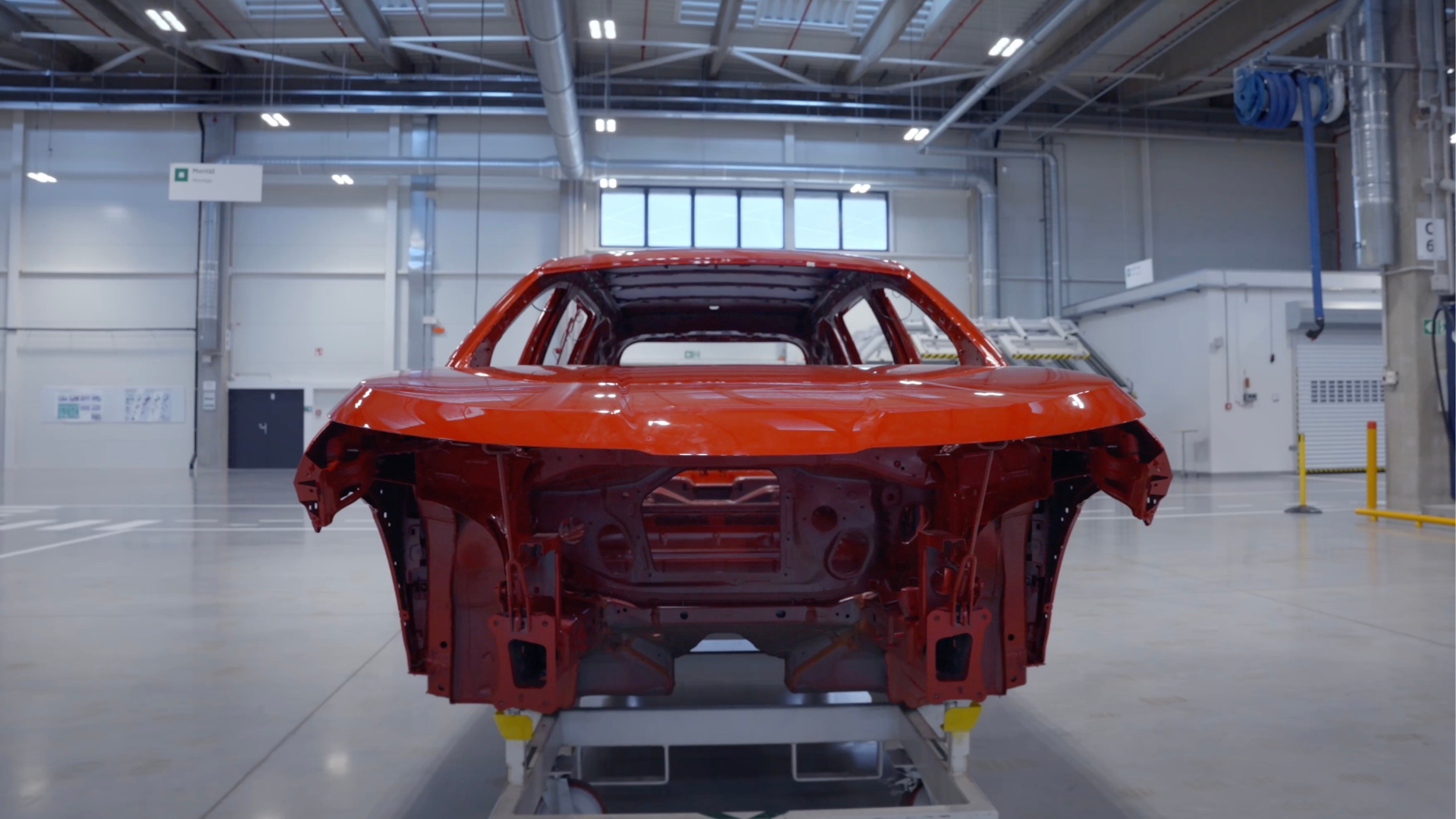
The body-in-white is constructed from steel sheets ranging in thickness from 0.7 to 2 millimetres, with different types of steel used in different areas. “We select the material for each componentaccording to the function it performs within a particular section of the body structure. When making this choice, we consider safety, strength, durability and the car’s overall weight,” explains Václav Špringl, who is responsible for body-in-white development. While the structural components surrounding the passenger compartment are predominantly made from hot-formed high-strength steel, sections forming the controlled deformation zones use materials that combine strength with sufficient ductility to absorb energy in the event of an impact.
In terms of a body structure perspective, the Škoda Peaq presented engineers with several challenges. For example, it features the largest rear doors in its class as well as the largest panoramic roof ever fitted to a Škoda vehicle. Both elements place considerable demands on overall body rigidity. “To maintain a high level of torsional rigidity, we had to optimise the entire body structure,” explains Špringl.
The electric platform on which the Peaq is based also helped engineers achieve a high level of torsional rigidity. The battery frame integrated into the floor serves as an exceptionally rigid foundation while also helping to lower the car’s centre of gravity and optimise weight distribution. This provides significant benefits for chassis tuning. “Despite its size and weight, the Peaq feels stable, comfortable and natural to drive,” says Petr Šulc from Škoda Auto Technical Development. “Our goal was to achieve a balance between comfort, stability and body control, ensuring that the Peaqfeels light, smooth and confident in every situation,” he adds.
Most drivers are unlikely to notice the majority of this engineering work directly, yet they will experience its benefits literally every meter of the drive. It can be felt in the confidence inspired by the car’s solid stance and precise tracking, as well as in the sense of relaxation provided by the comfortable ride.