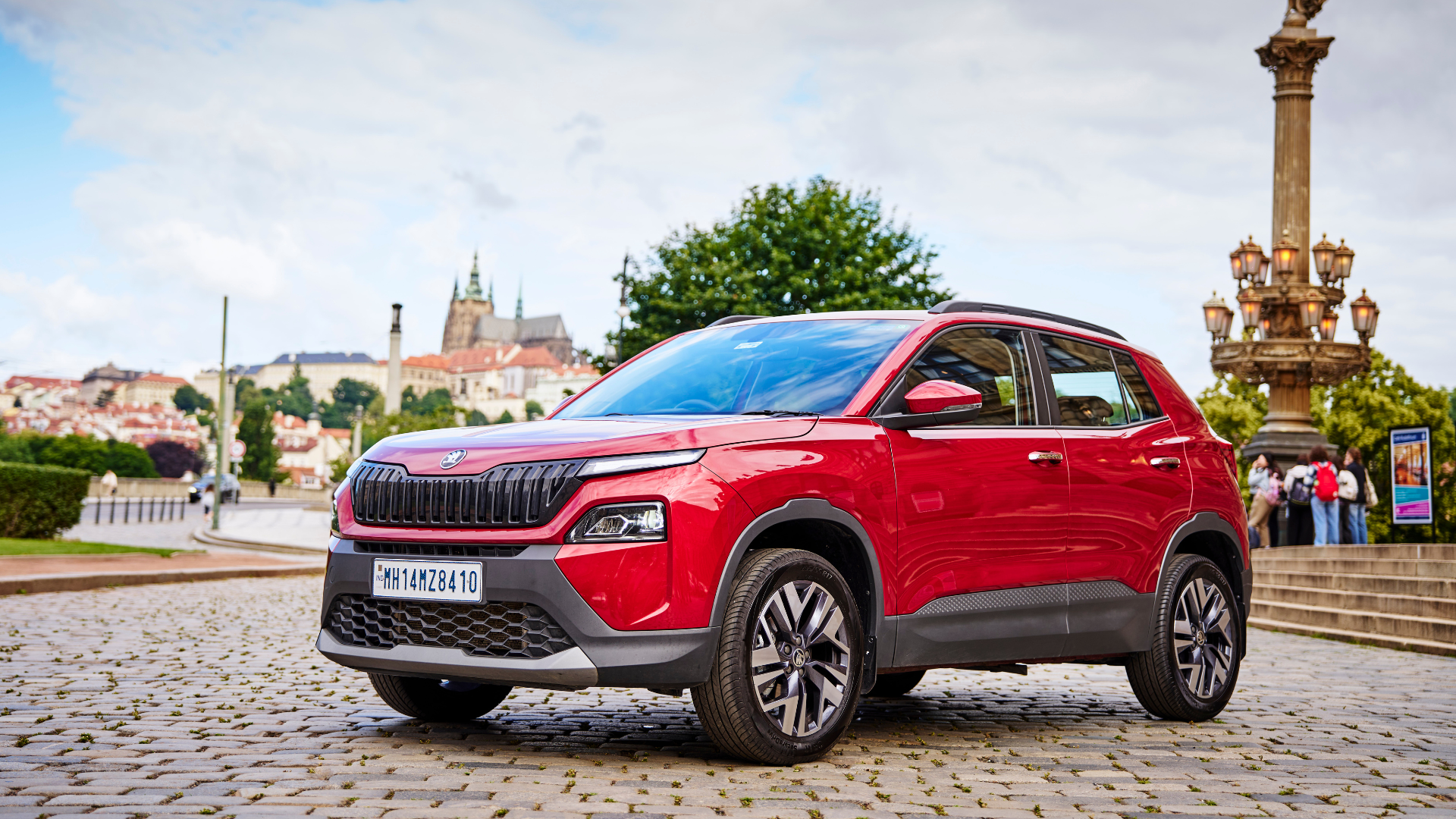
“Not a single scratch—even the alloy wheels are unscathed,” says Hormazd Sorabjee, editor of Autocar India, boasting about the expedition’s smooth progress. It was he and his colleagues who decided to put the durability and practicality of the compact Škoda SUV—developed for the Indian market to the test on this demanding, long journey.
It sounds almost unbelievable, but even over so many thousands of kilometers through 13 different countries over the course of 70 days, the group—along with another support vehicle—didn’t encounter a single complication, not even a flat tire. Given the challenges they had to face, this is an admirable result.
Route of the Kylaq P2P Expedition
India, Nepal, China, Kyrgyzstan, Uzbekistan, Kazakhstan, Russia, Georgia, Turkey, Bulgaria, Hungary, Austria, Czech Republic
You can view the route and events along the way in detail on Autocar India’s social media channels and under the hashtag #KylaqP2P
Judge for yourselves: the extremely heavy and demanding traffic in India gave way to technical sections in Nepal and, above all, China. Sections there were almost unimaginable in terms of drivability. “That’s where it was physically the most demanding. On part of the route, we reached an elevation of over 4,000 meters. Roads are practically nonexistent there; we spent 14 hours driving along rocky paths on a single 400-kilometer stretch of the route,” Sorabjee describes.
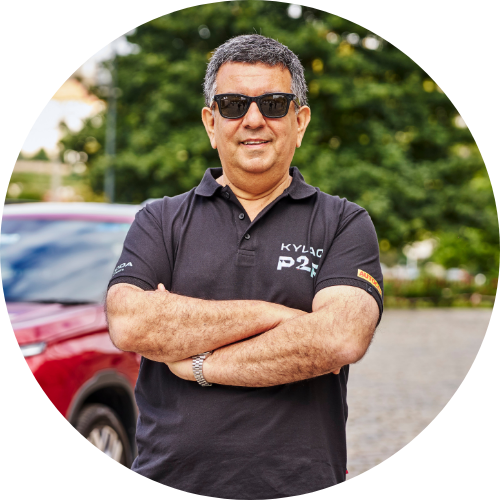
Hormazd Sorabjee
Editor of Autocar India
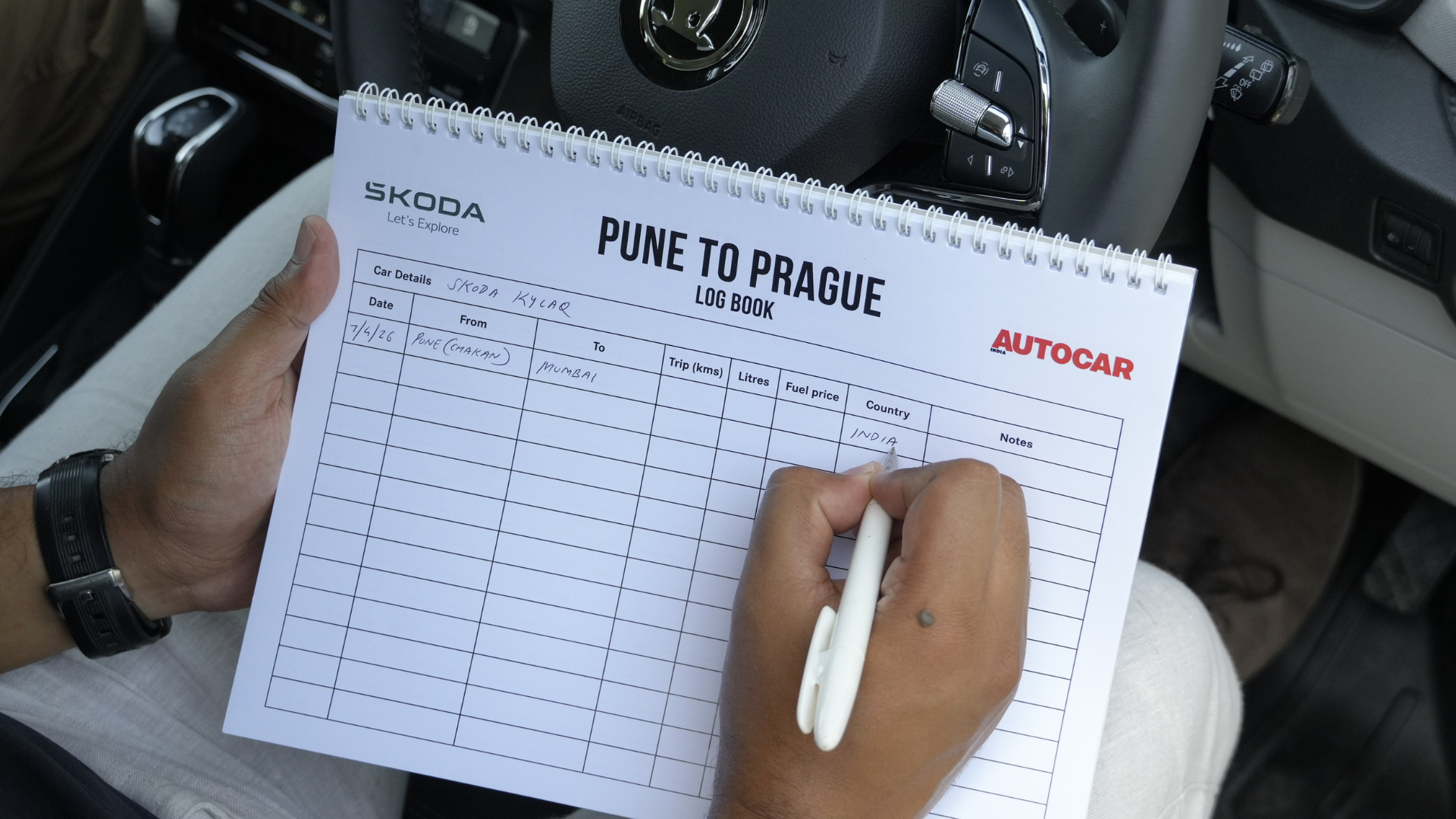
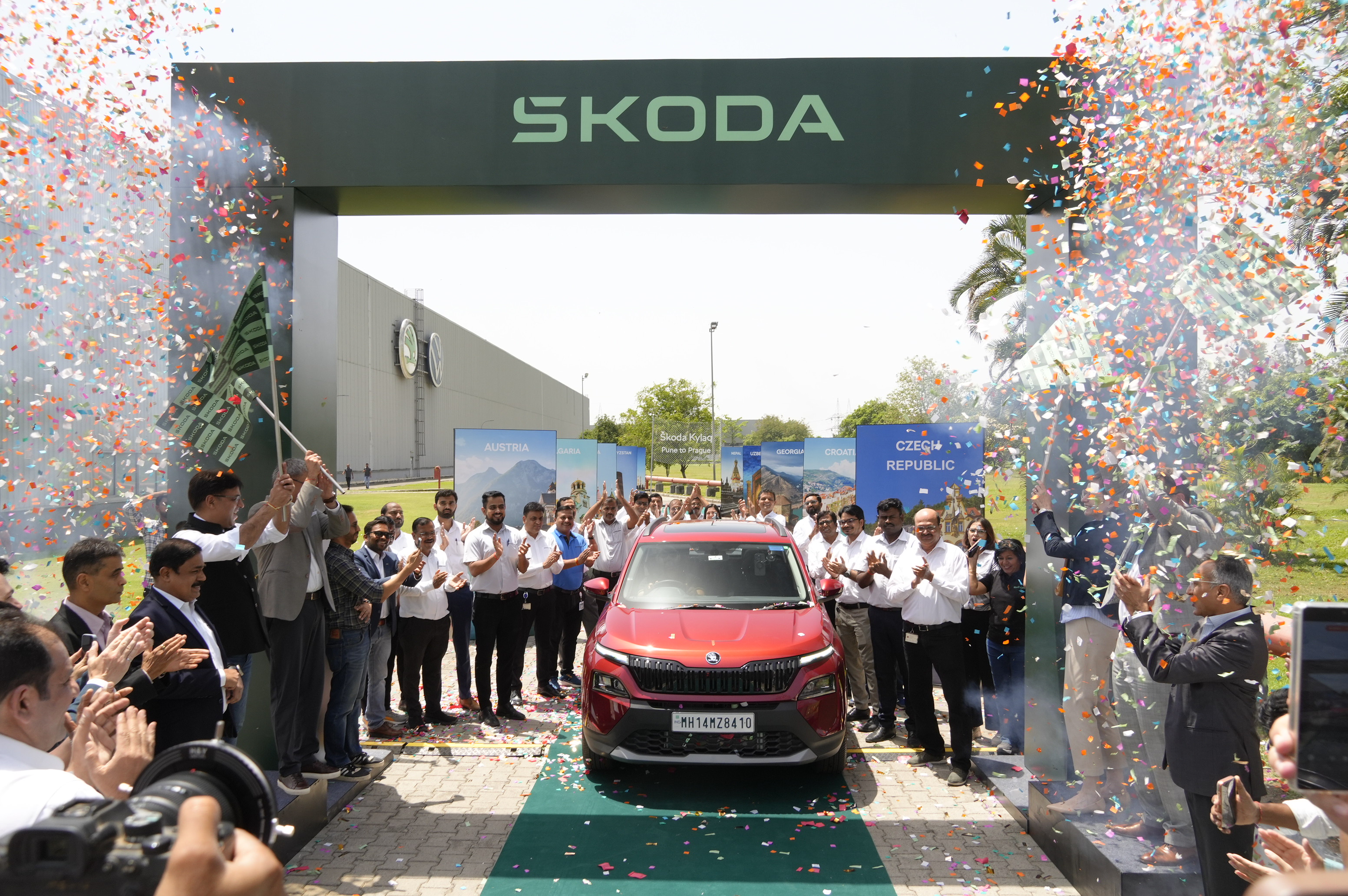
Škoda Kylaq sets out on its journey from its home country of India
The expedition set off from the factory in Pune, where Kylaq is manufactured
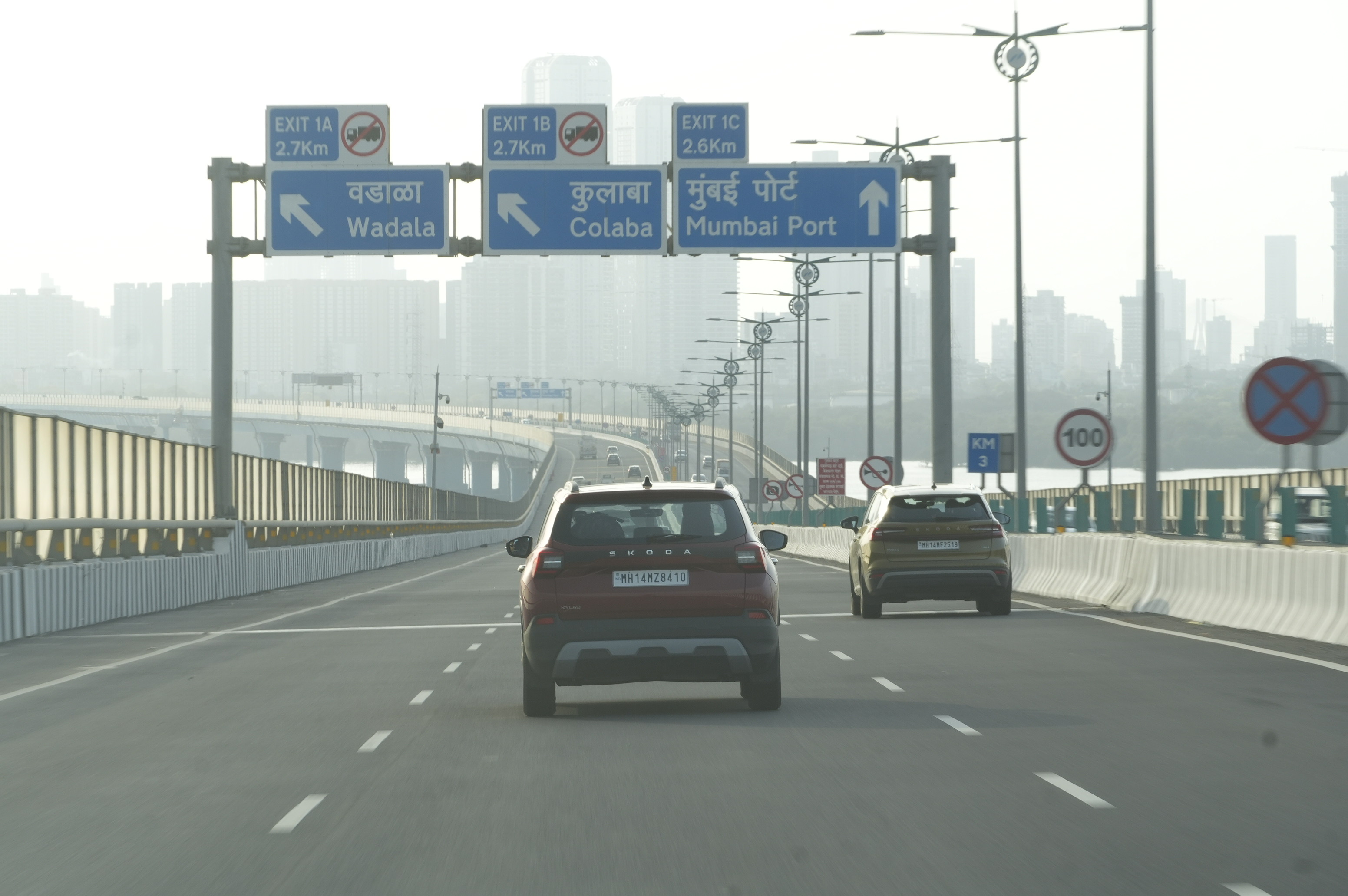
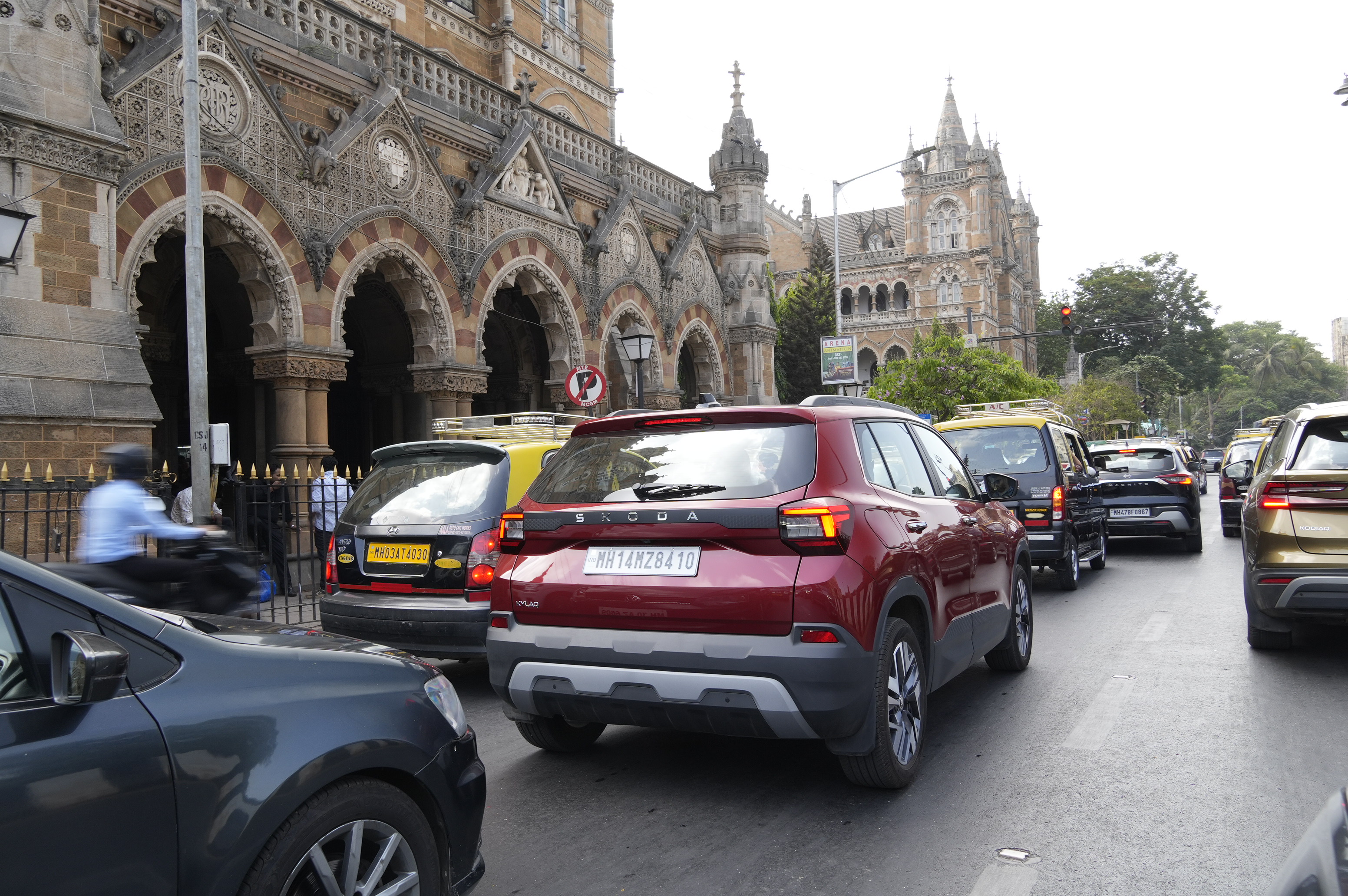
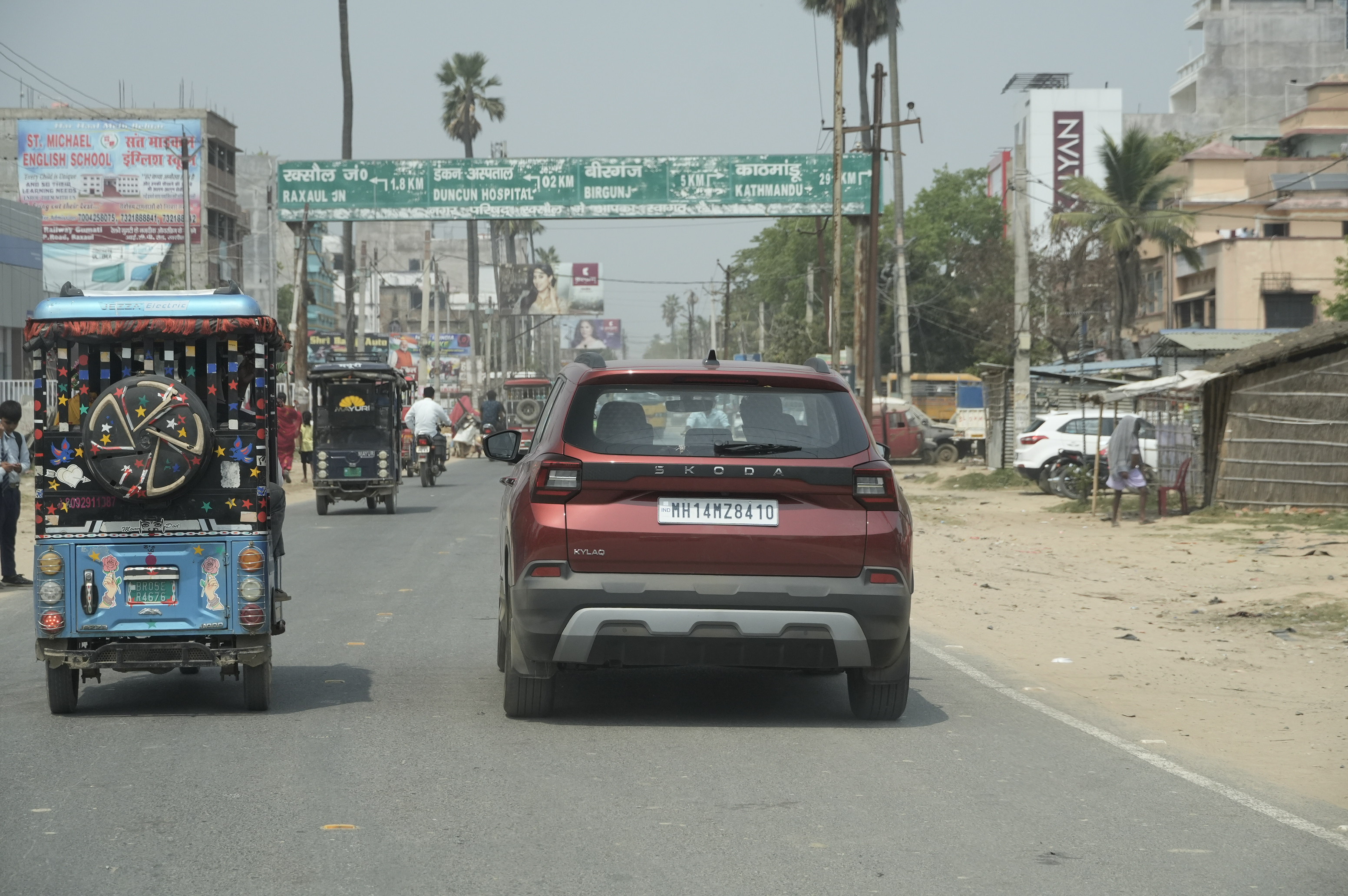
The moments when Kylaq could cruise down an open highway “back home” in India were rare
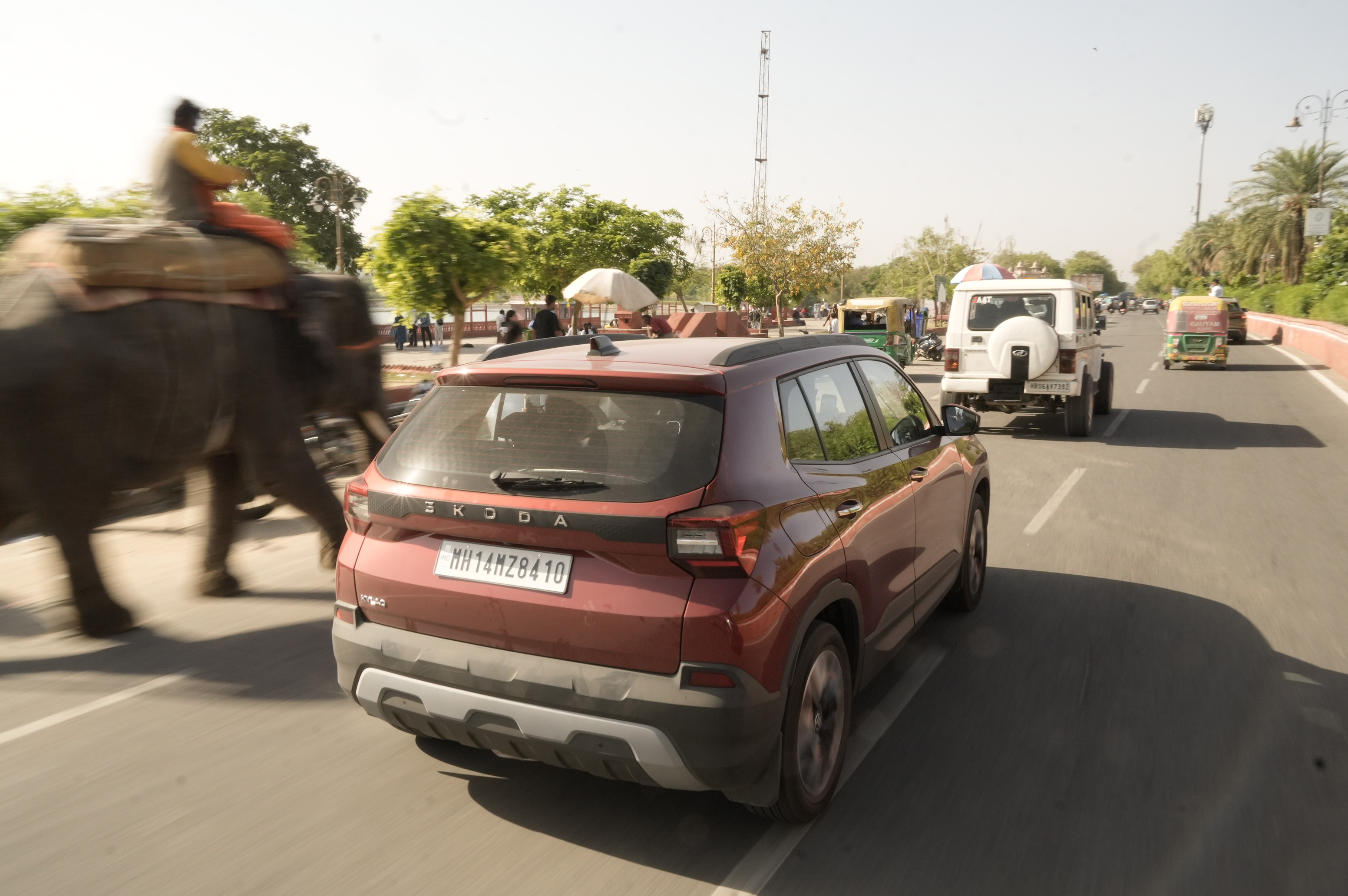
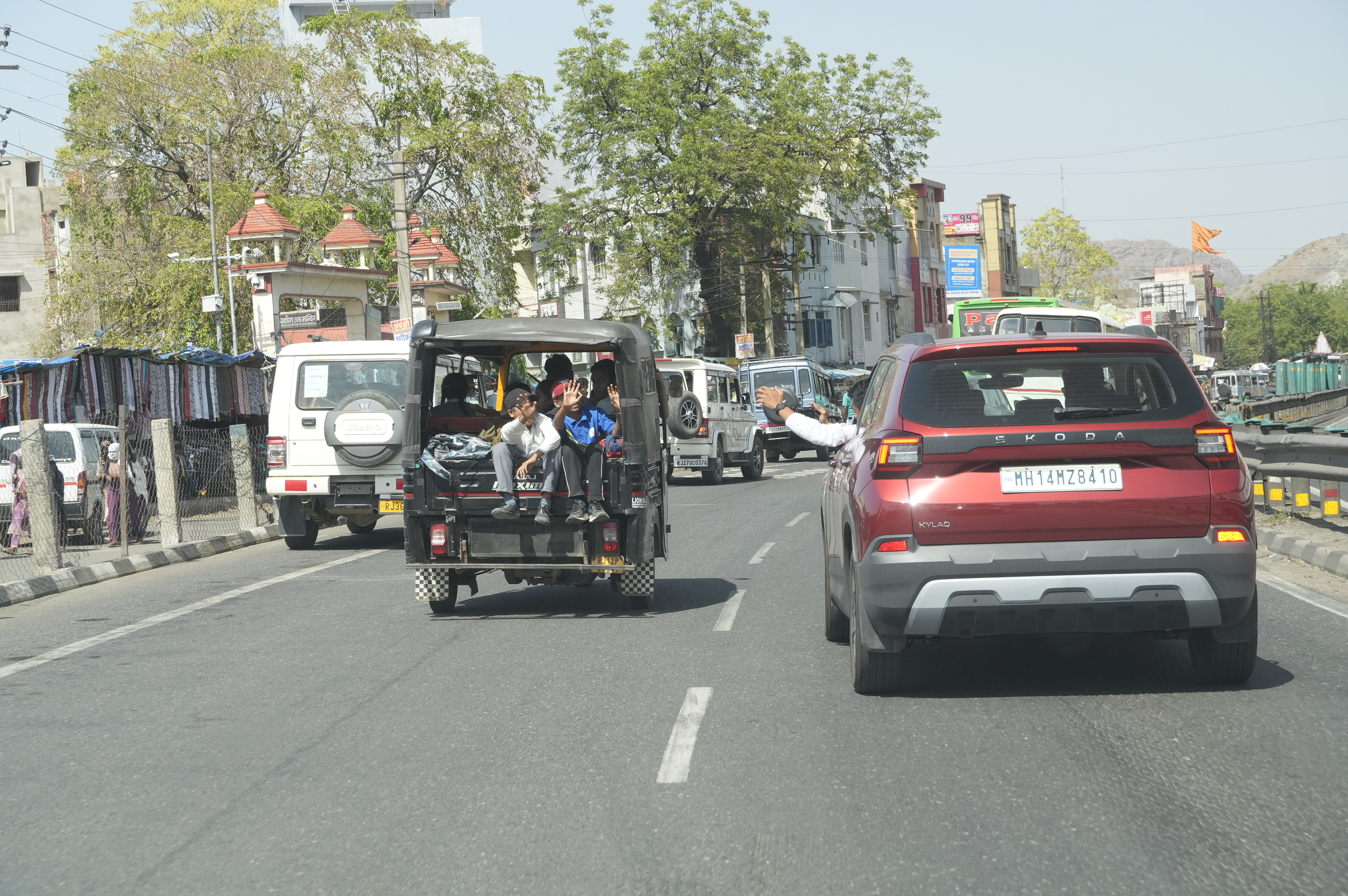
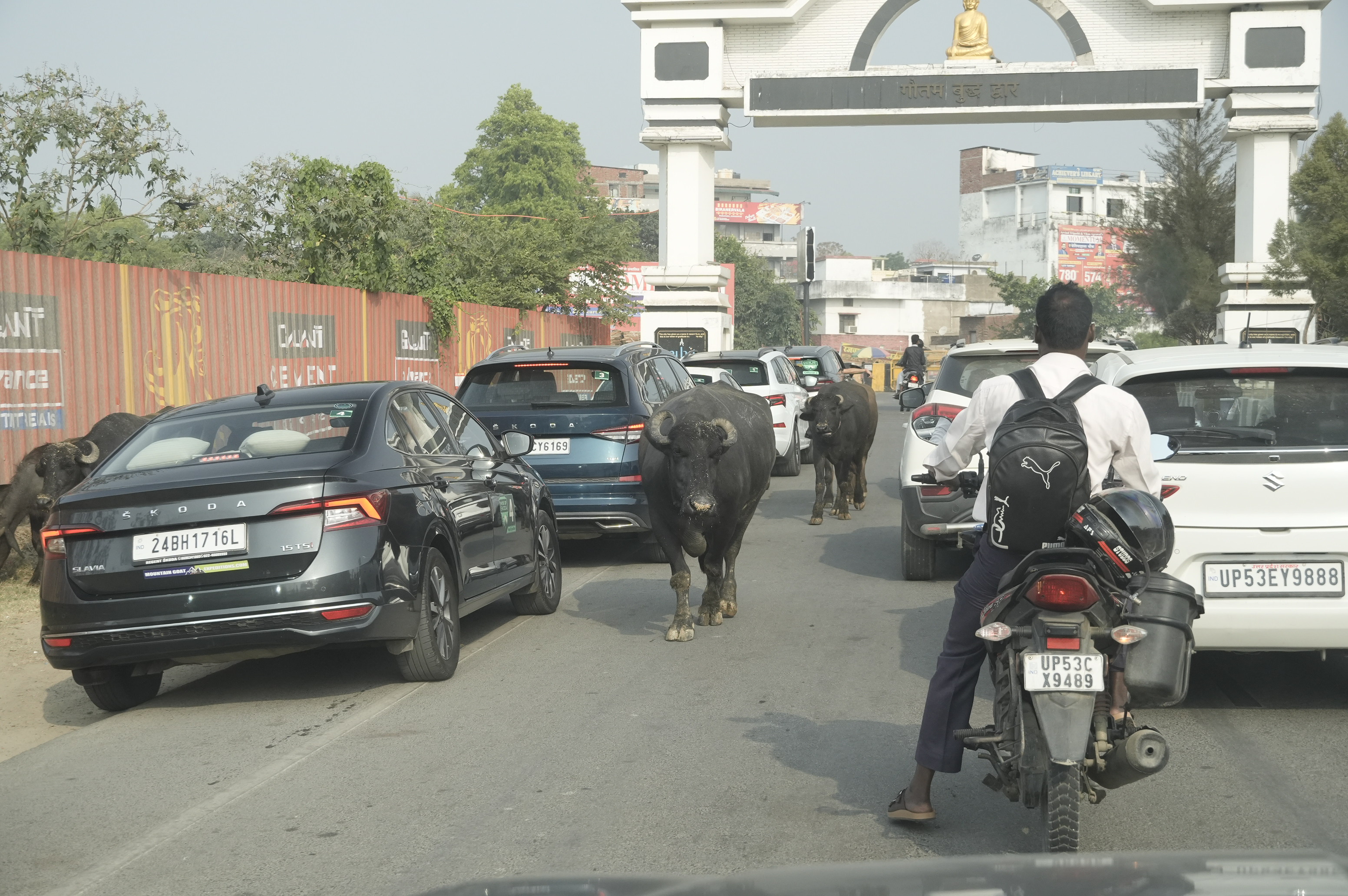
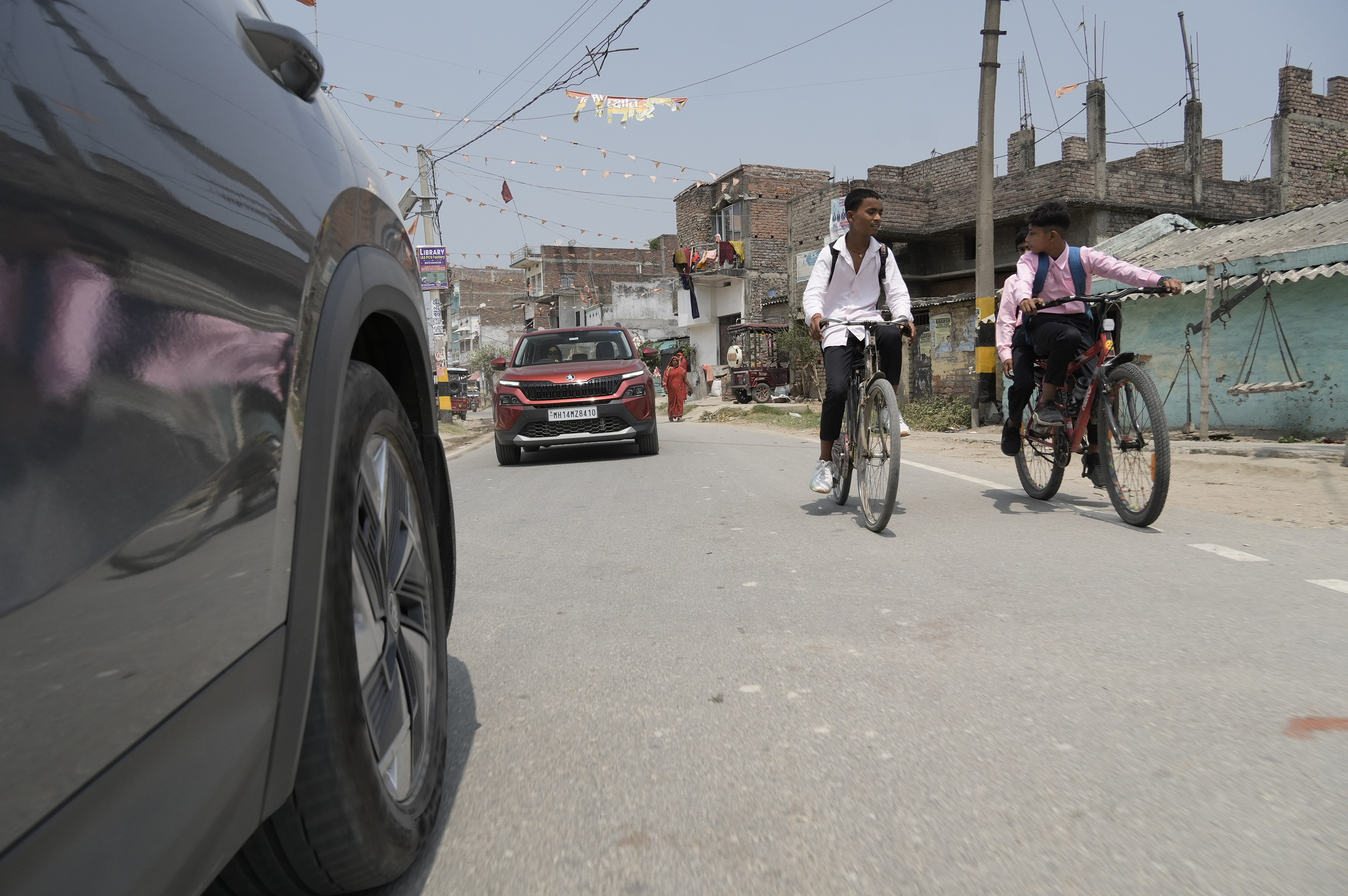
Traffic in India tends to be heavy and slow, and the drivers are very diverse
The crew thus spent virtually the entire stretch through India in heavy traffic
In India, long traffic jams and low average speeds are common
Kylaq and its crew completed the opening stage in India without any hitches
Škoda cars are becoming an increasingly common sight on India's roads
Even in heavy traffic, where there are often no clearly defined lanes, the car didn't sustain a single scratch
That’s one reason why the entire expedition took the aforementioned 70 days. The crew never pushed the vehicle—or themselves—to absolute extremes. “We had a number of rest days along the way. Sometimes we’ddrive 800 kilometers in a day and then take a day off; other times, we’d cover 300 kilometers in the morning and enjoy a free afternoon. We probably could have completed the route in less than 60 days without any trouble, but we didn’t want to rush,” says Sorabjee.
Careful Planning
According to him, the Kylaq’s high ground clearance and tires with high sidewalls contributed to the smooth journey. “We made the most of both,” the editor smiles. Careful route planning and administrative preparation were also crucial. In order for the journalists to even set out across 13 countries in a car registered in India, they had to obtain a number of permits. “We already have experience with this from the past and Škoda Auto India, which loaned us the car for the expedition, also helped us,” explains Sorabjee.
The Kylaq P2P Expedition in Numbers
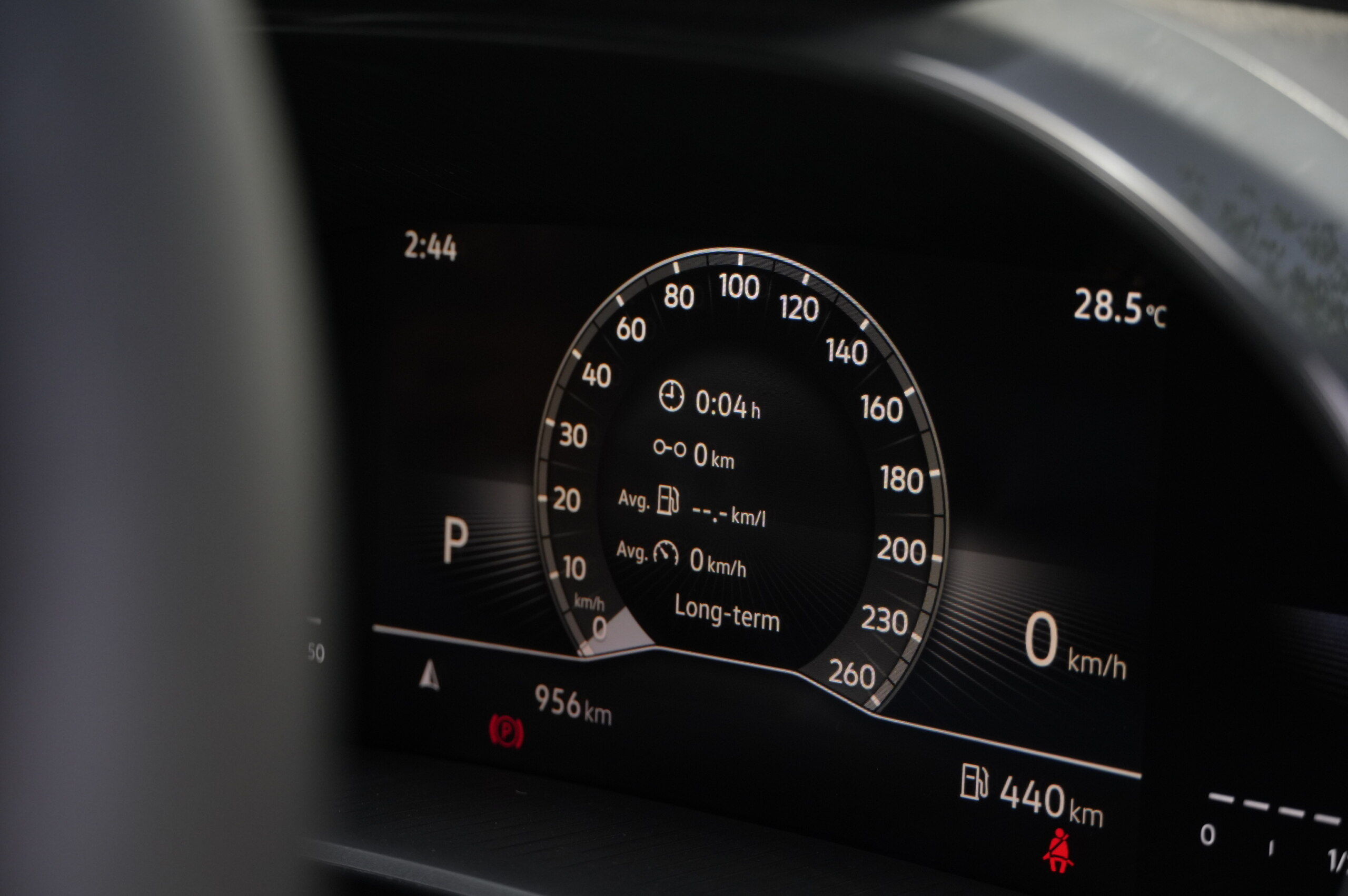
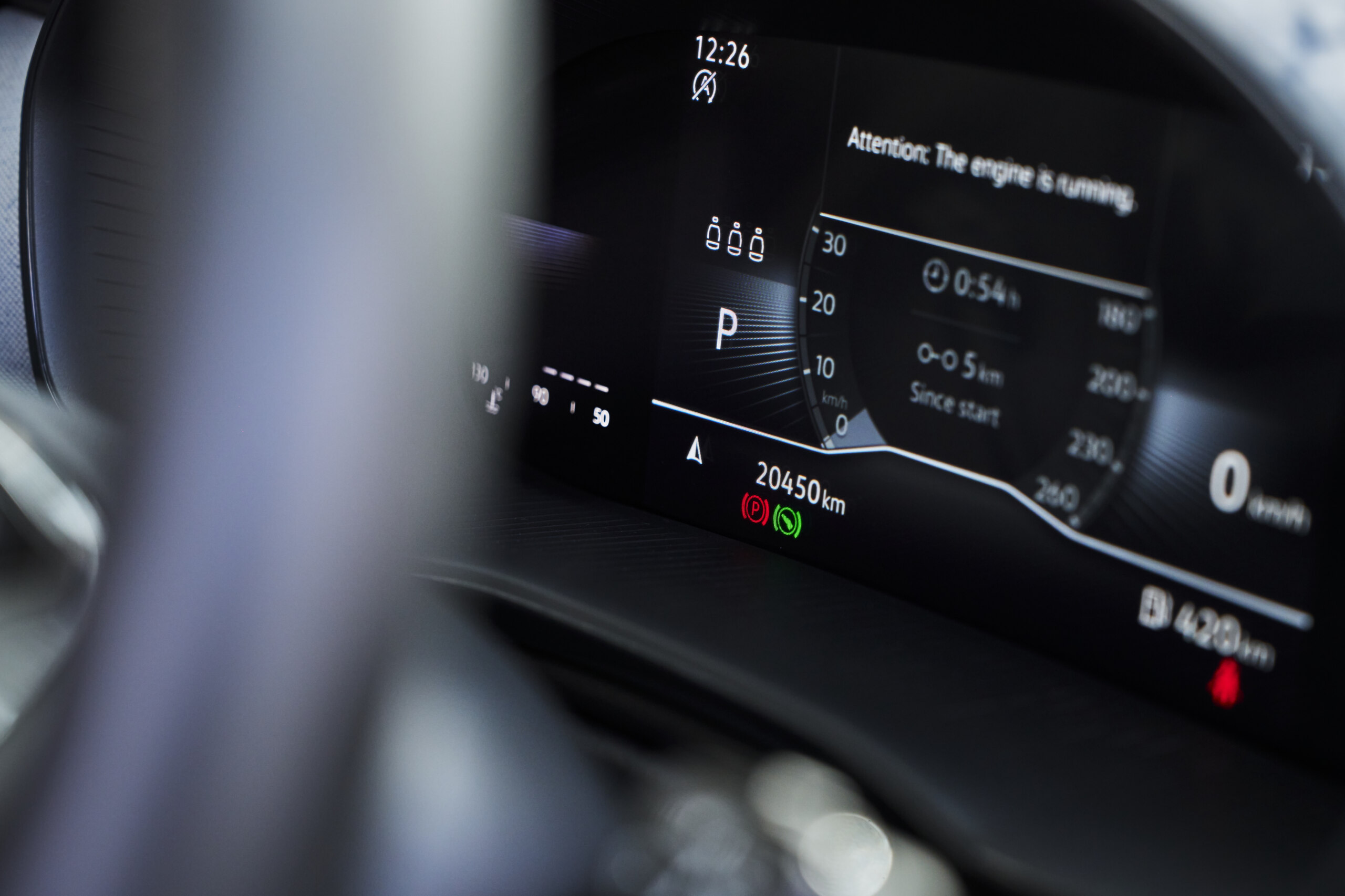
● 19,351 kilometers
● 13 countries visited
● 70-day expedition
● 6.45 l/100 km average fuel consumption
● 45 refuelings
● 20 car washes
● Over 4,000 meters above sea level, the highest point of the route
● 400 kilometers in 14 hours, the most difficult part of the route
Partly because of the permits, at the first glance it seemed the route took its final form as a detour through Nepal, China, and the Central Asian republics but it was precisely the journey through these countries that the team enjoyed the most. “The scenery was fascinating, we enjoyed amazing food and some of the places along the Silk Road are truly mystical,” Sorabjee gushes.
During the travels, Kylaq also visited Nepal, China, and the Central Asian republics
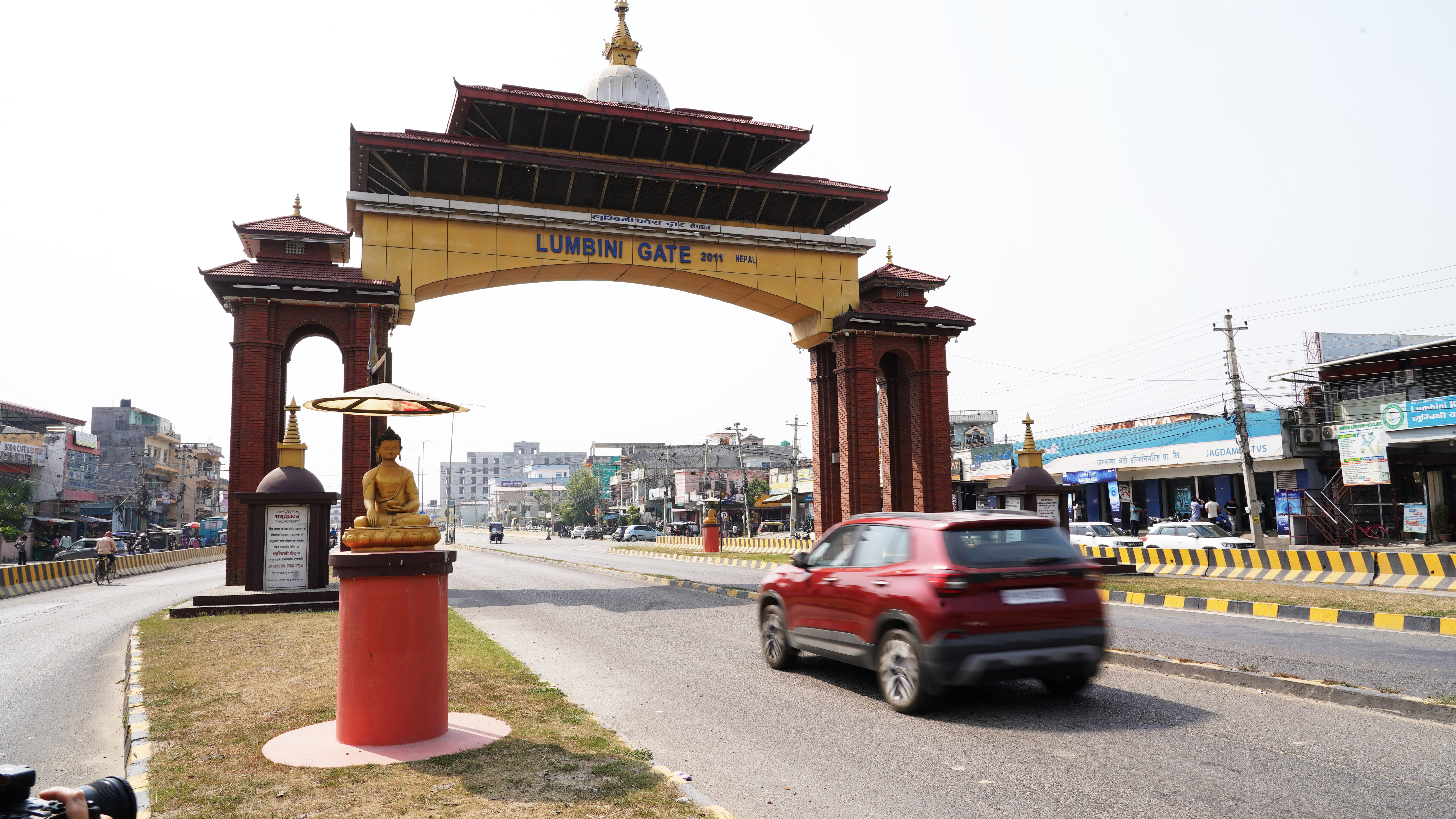
After India, the expedition's route headed to Nepal
Due to official regulations, the crew spent an entire week in Nepal
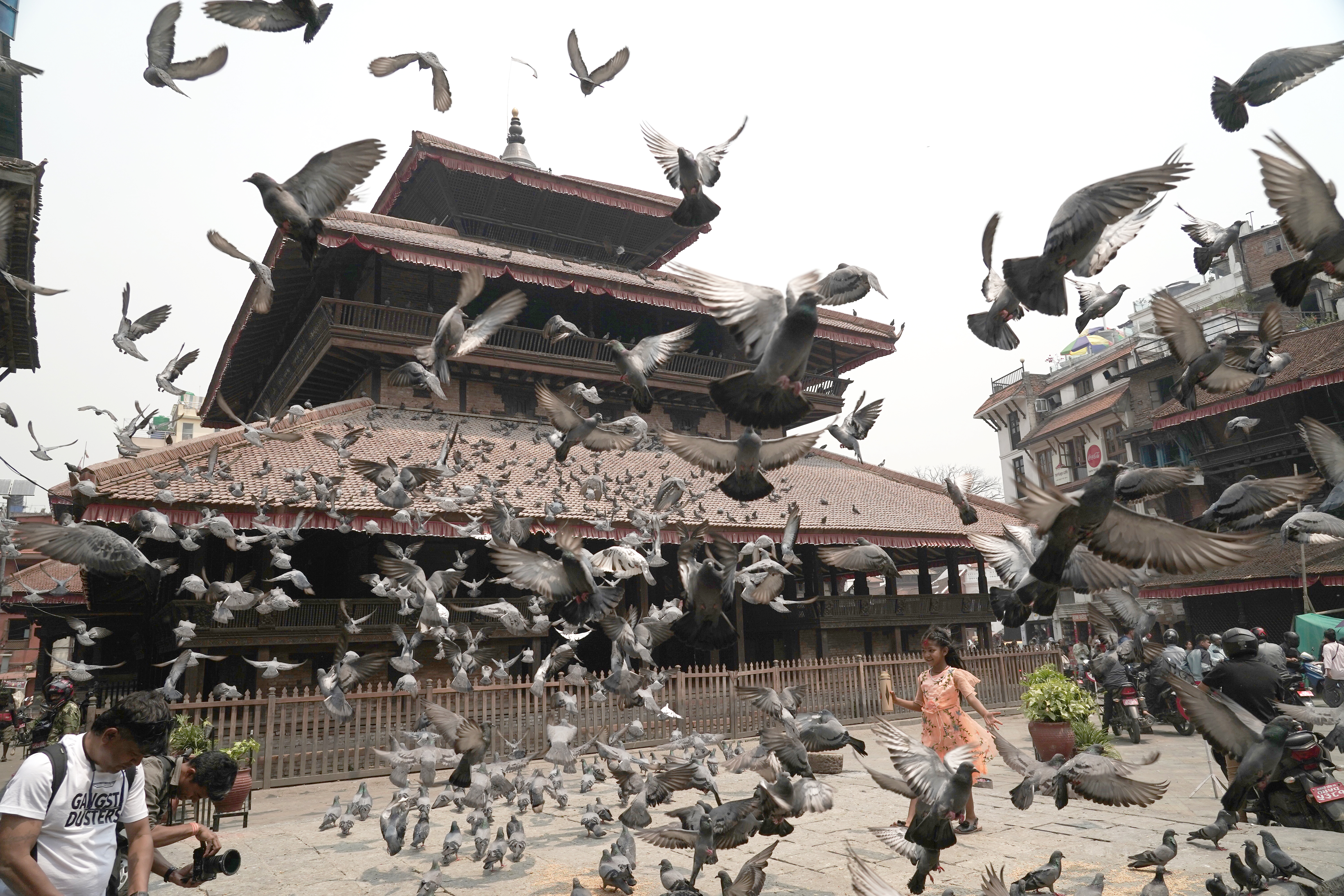
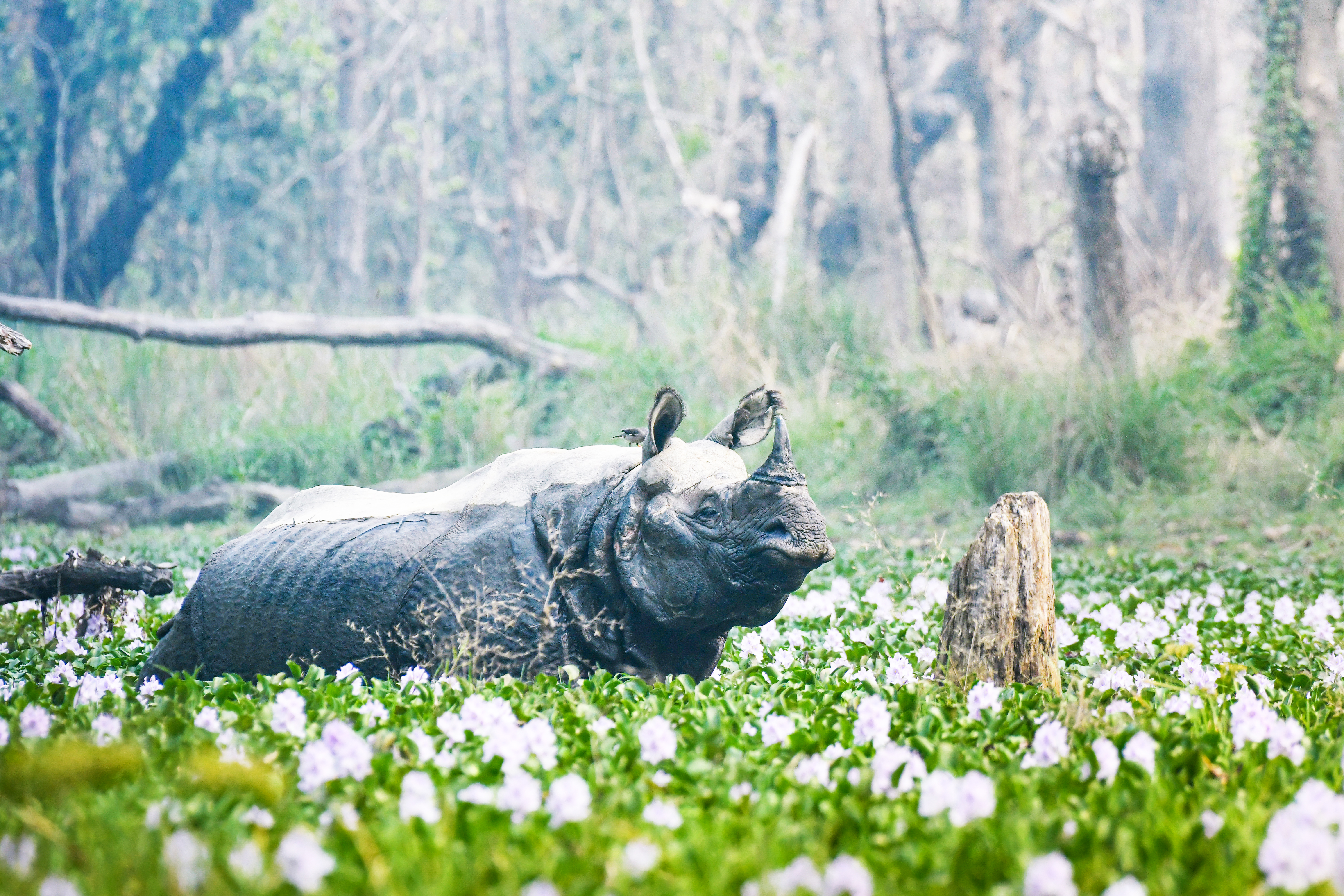
The scenery and views in this country can be truly fascinating
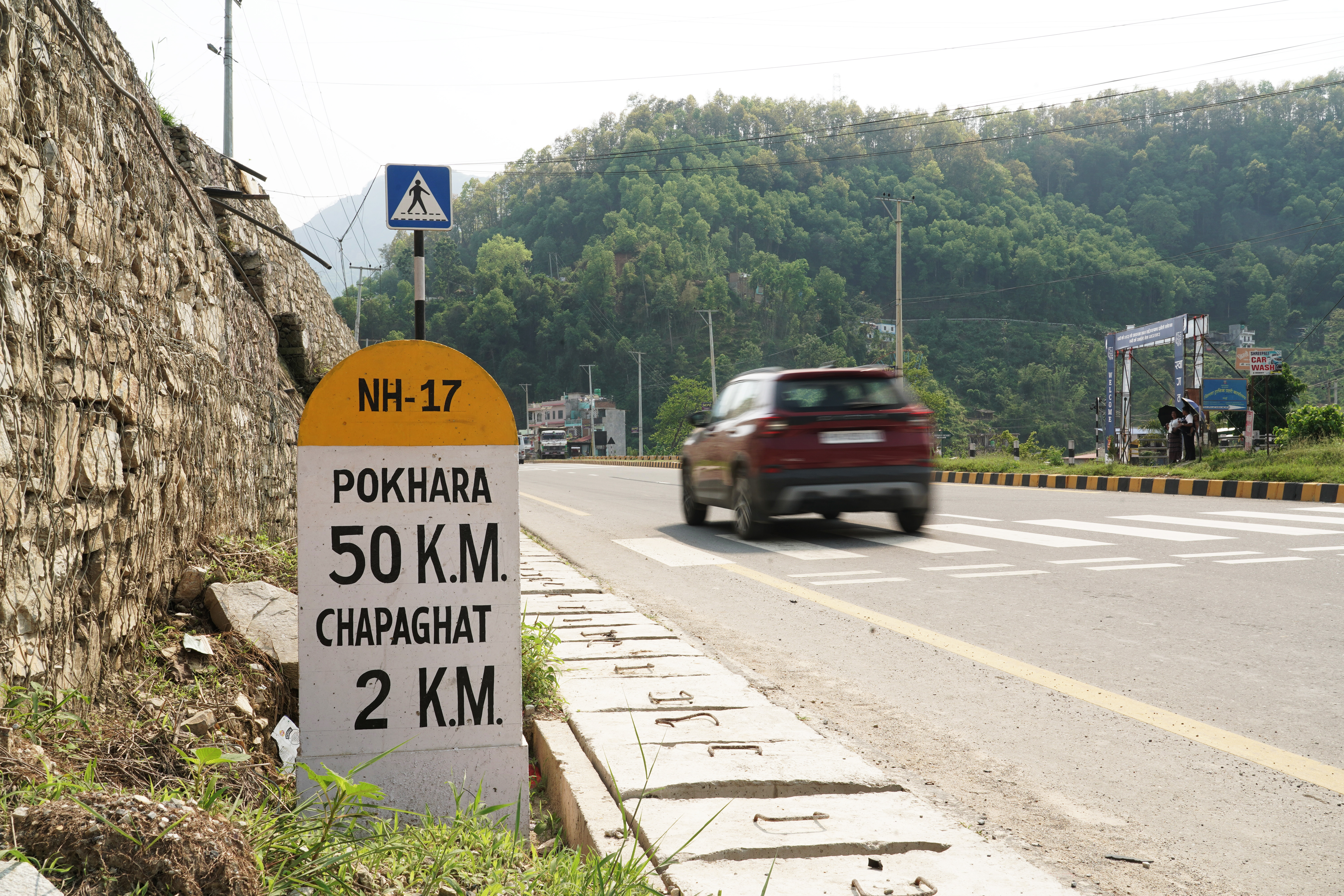
Nepal was also the last part of the route where they drive on the left side
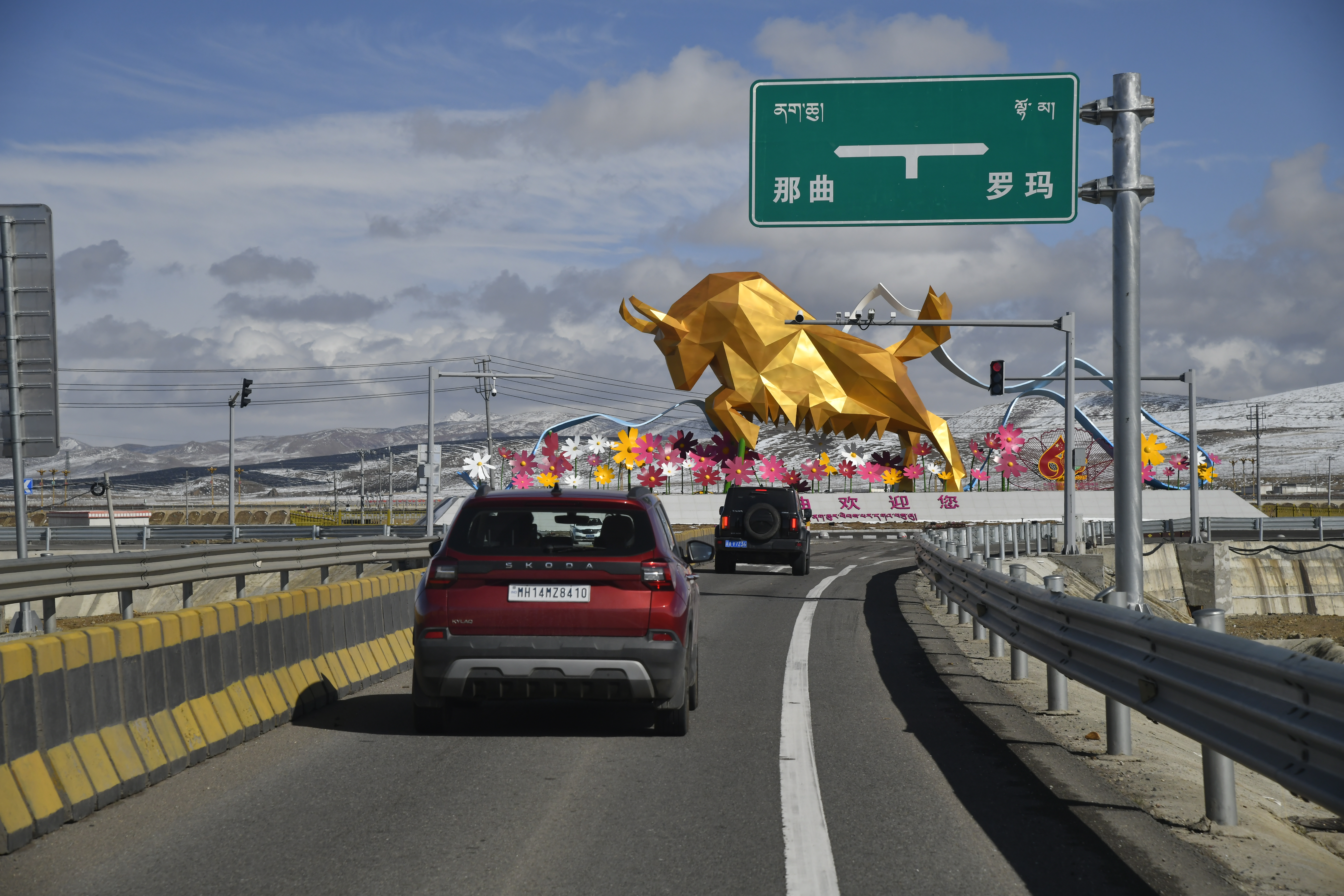
In China, the crew had to get used to driving on the right side of the road
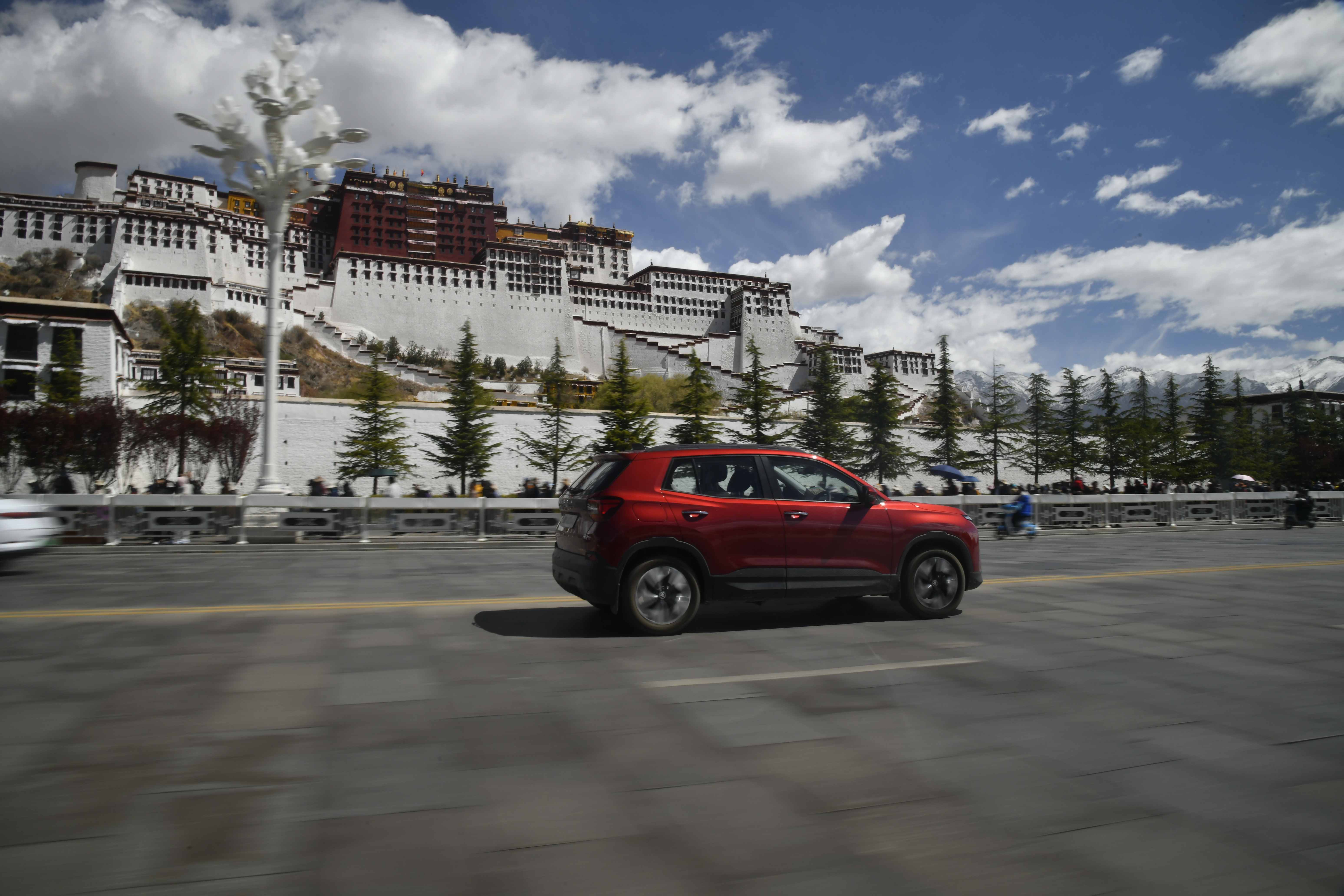
One of the places the expedition visited was Lhasa, Tibet
It was in China that the crew completed what was probably the most challenging part of the route at high altitudes
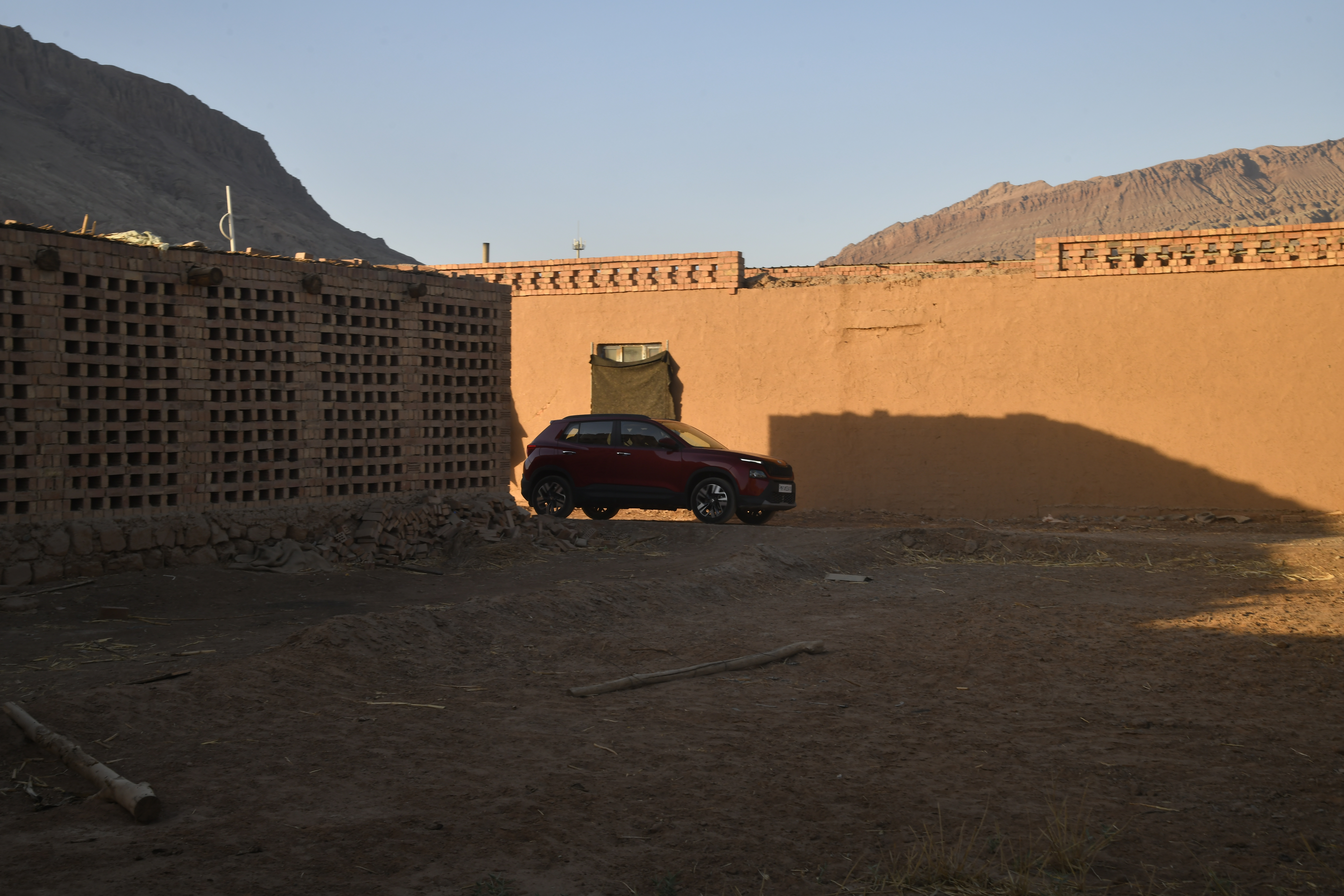
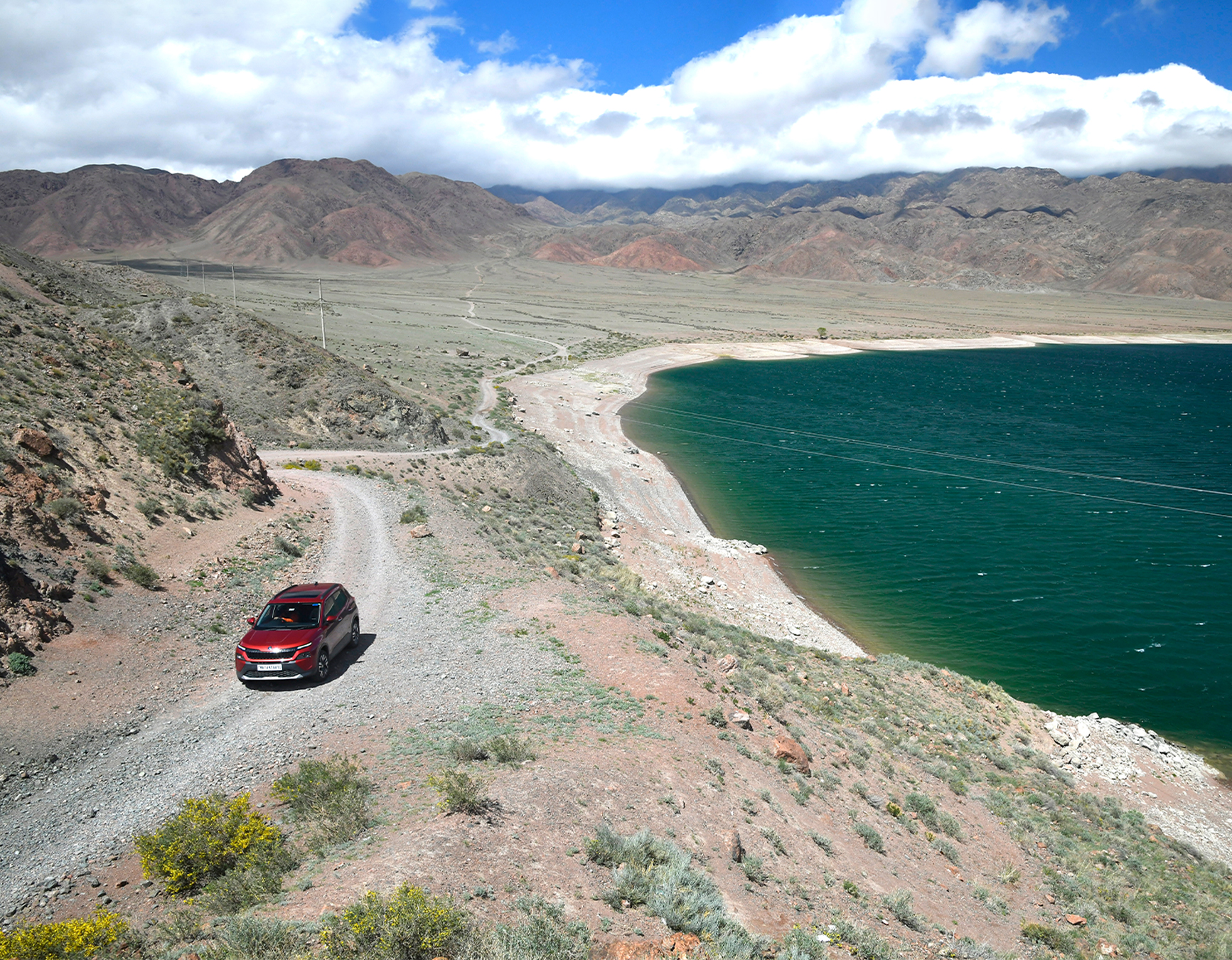
In Kyrgyzstan, the crew continued along the route of the legendary Silk Road
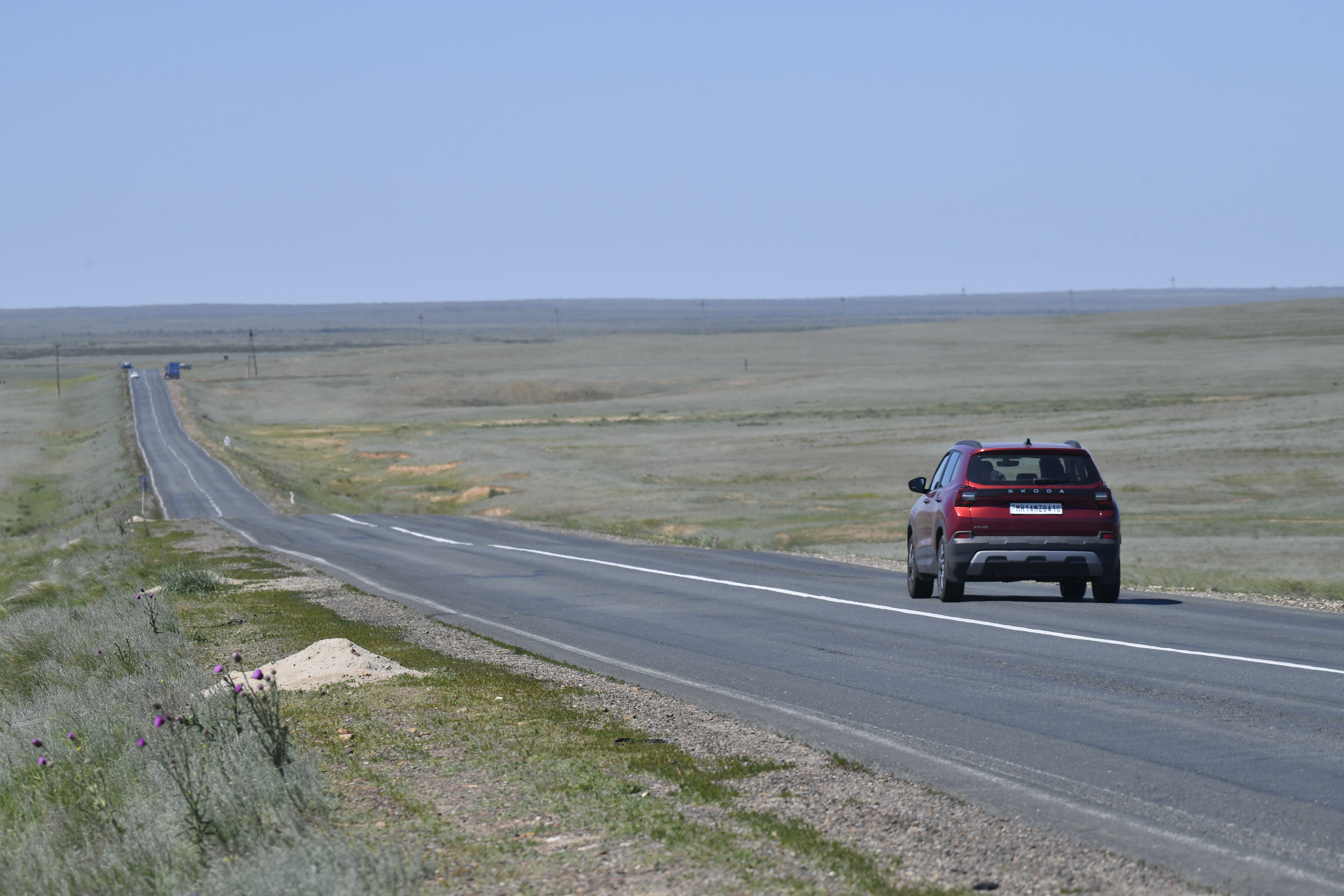
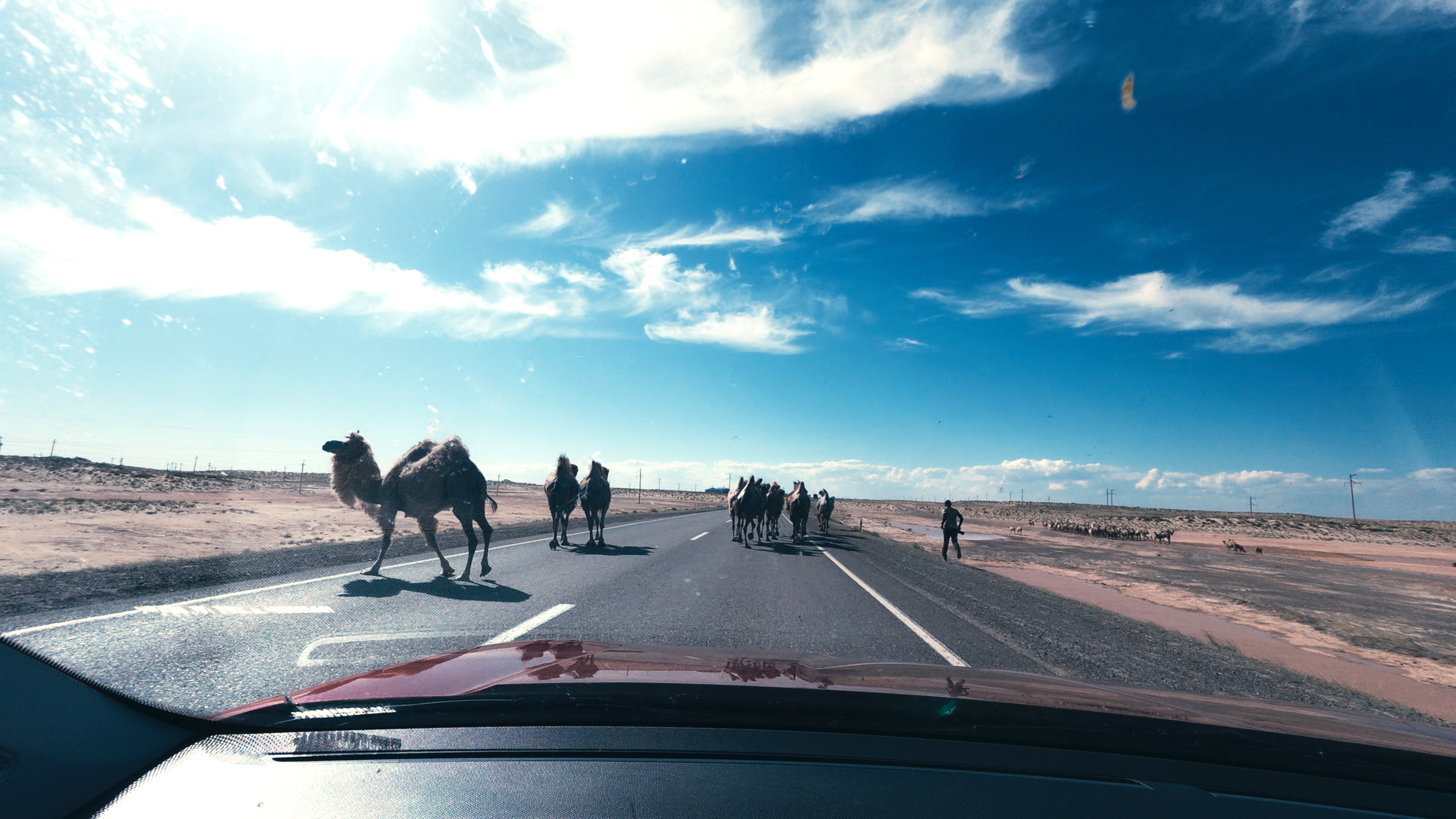
In Kazakhstan, Kylaq crossed the sometimes seemingly endless plains without any trouble
Completely Different Traffic Conditions
The farther the crew traveled from home, the more the traffic conditions on the roads changed. Even in China, the participants had to get used to driving on the right side of the road which presented various challenges for a left-hand-drive car. “Whether it was passing other cars or pulling into any kind of garage, we had to figure out a system for it,” smiles a member of the expedition.
As we headed west, the pace of traffic picked up, and the Kylaq became an increasingly exotic sight. However, the car drew more attention for its Indian license plate and driving wheel on the right side than for the fact that it isn’t sold in those parts. “I think the car fit right in with European traffic; it looked just like any other Škoda and was literally right at home here,” says Sorabjee, praising “his” Kylaq.
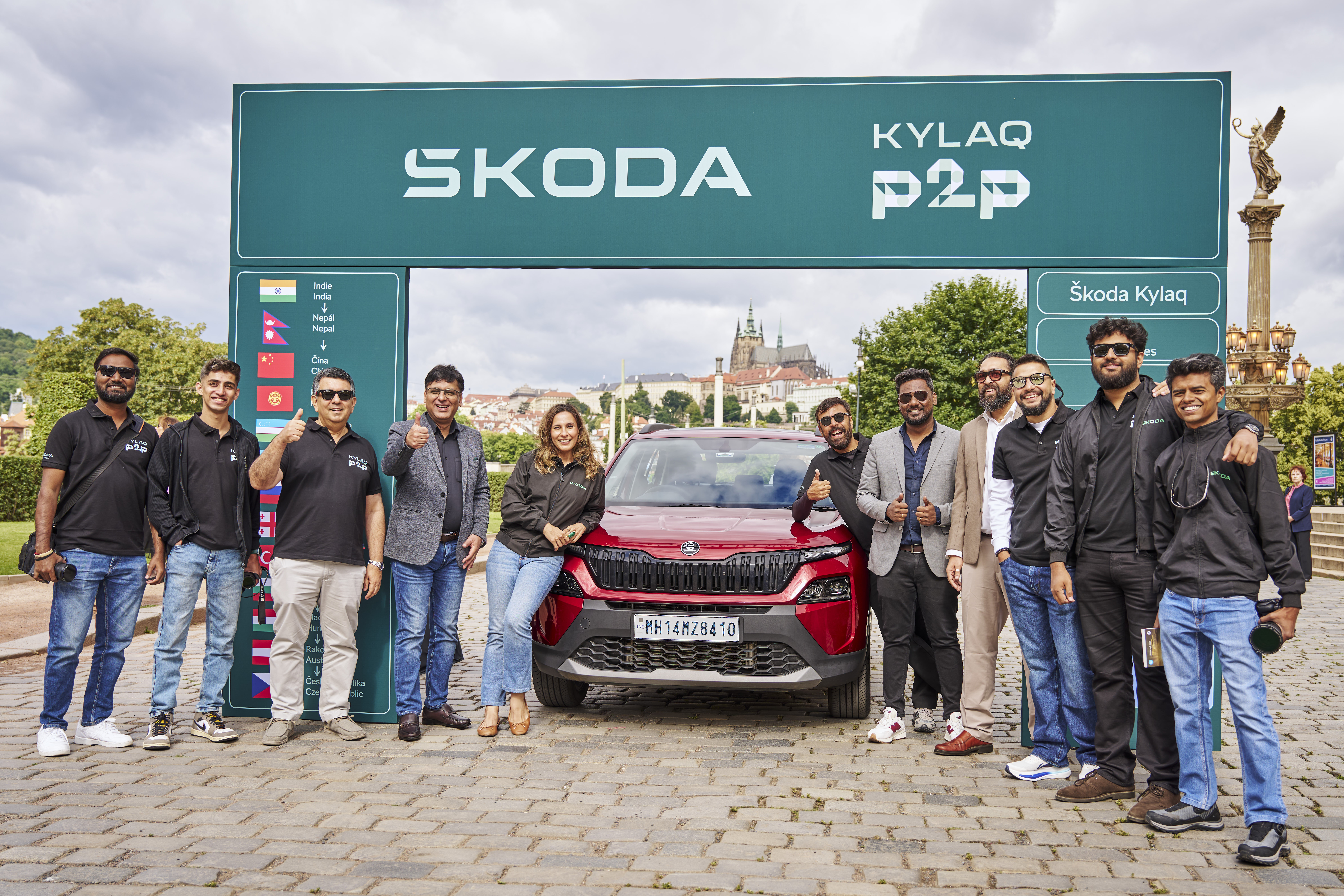
The destination is in sight. Through Georgia, Bulgaria, and Hungary, all the way to the Czech Republic.
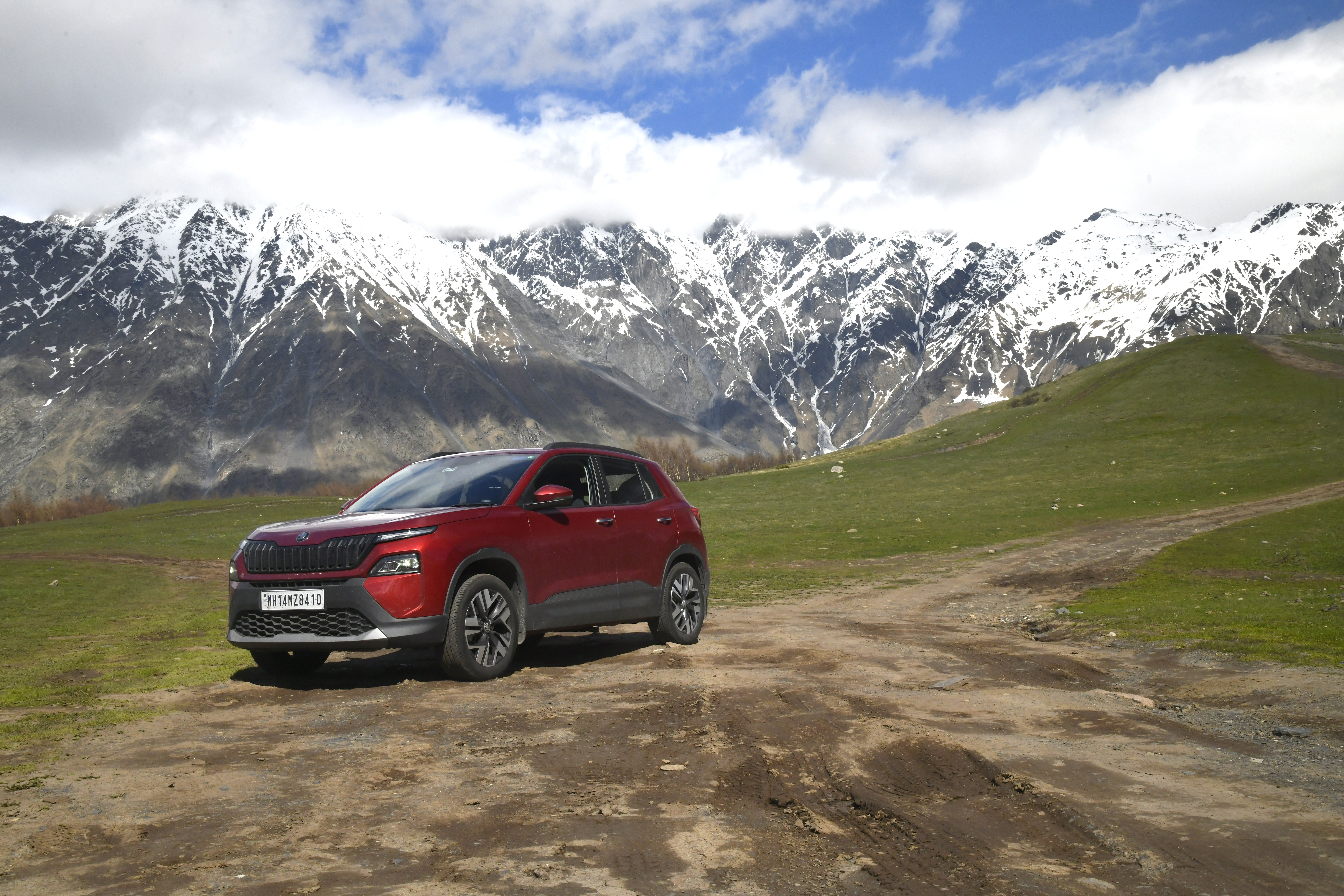
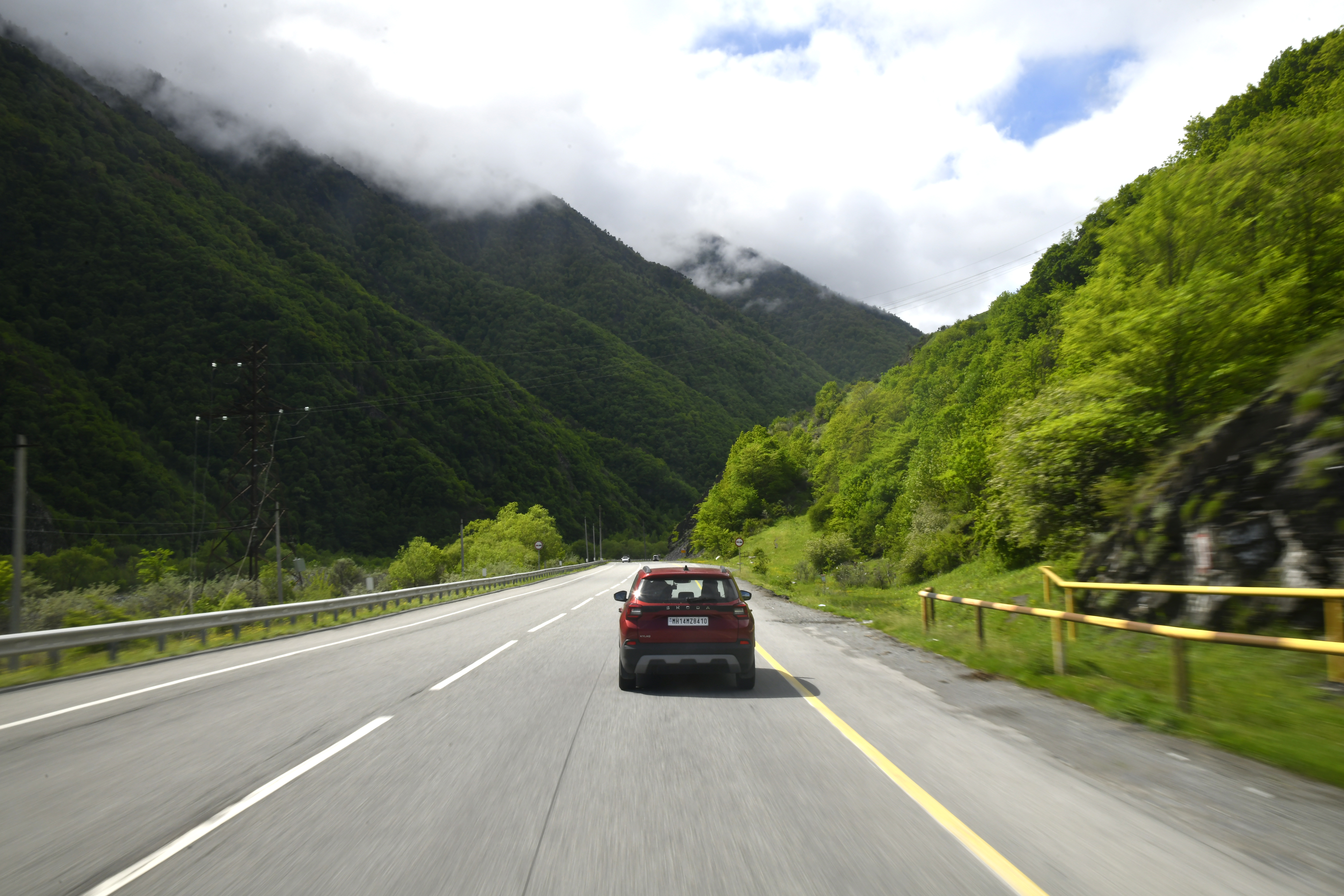
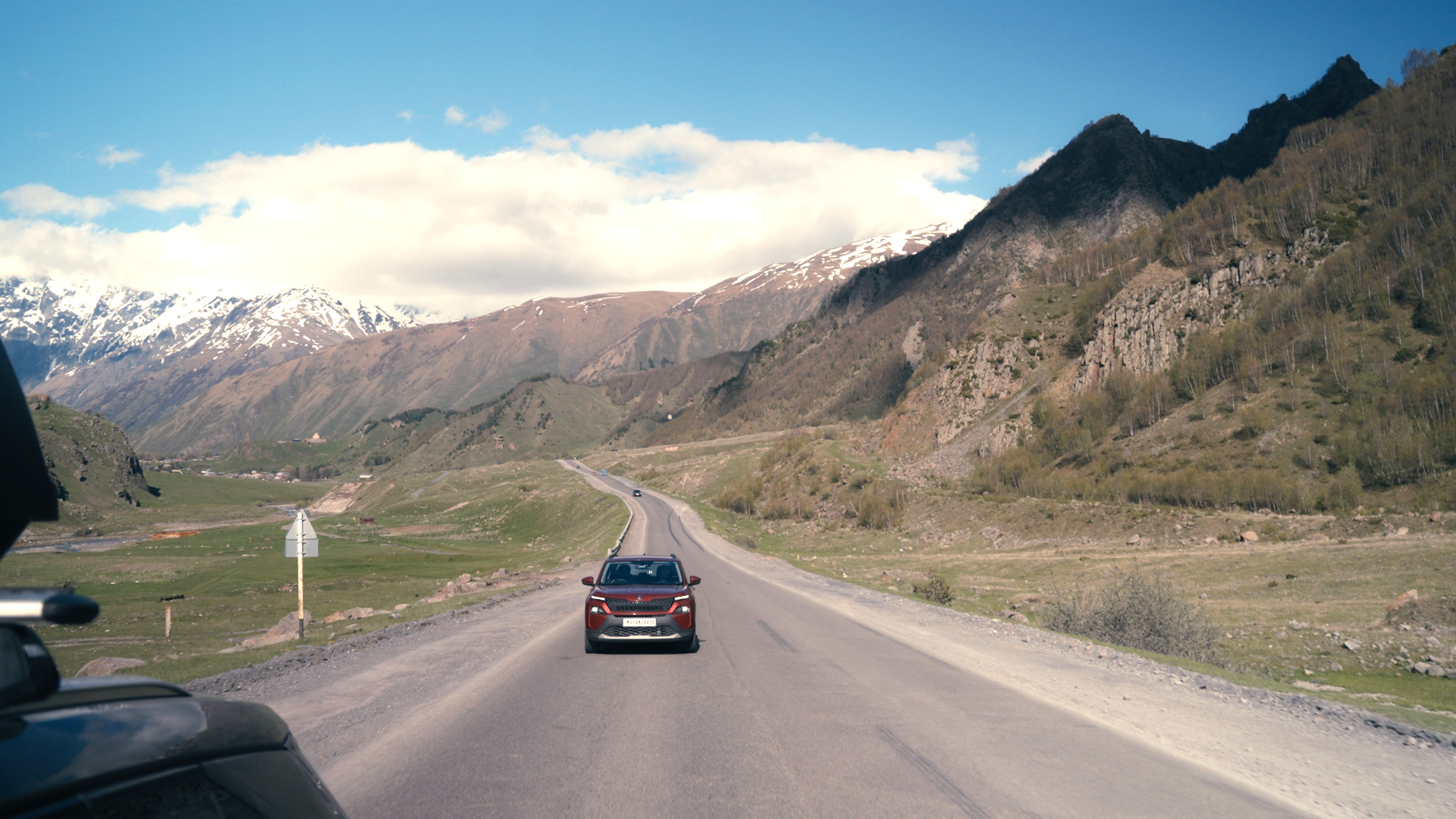
The crew enjoyed some fascinating mountain drives in Georgia
The crew enjoyed some fascinating mountain drives in Georgia
The crew enjoyed some fascinating mountain drives in Georgia
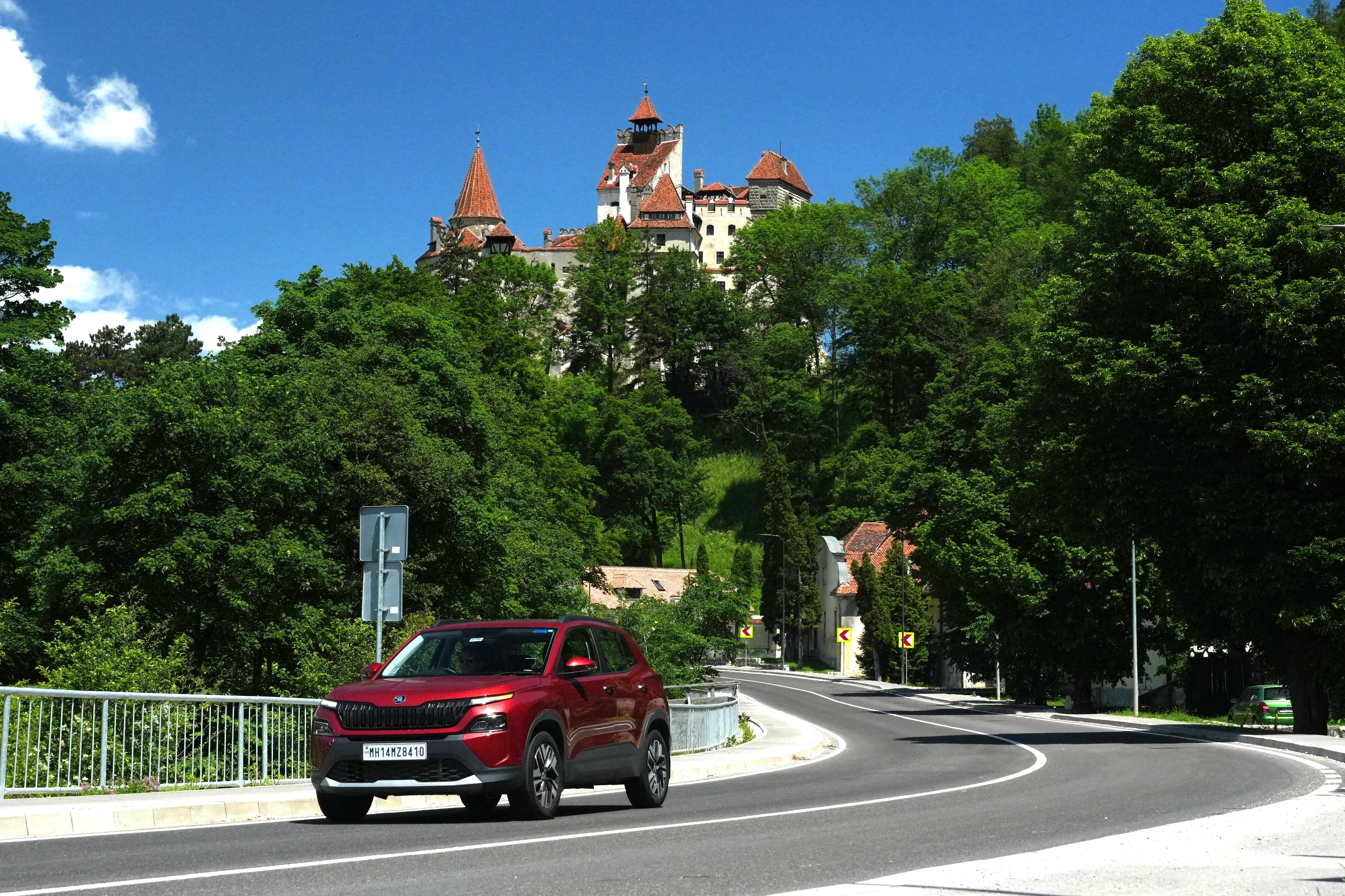
In Romania, the crew visited, among other places, the legendary Dracula's Castle in Bran
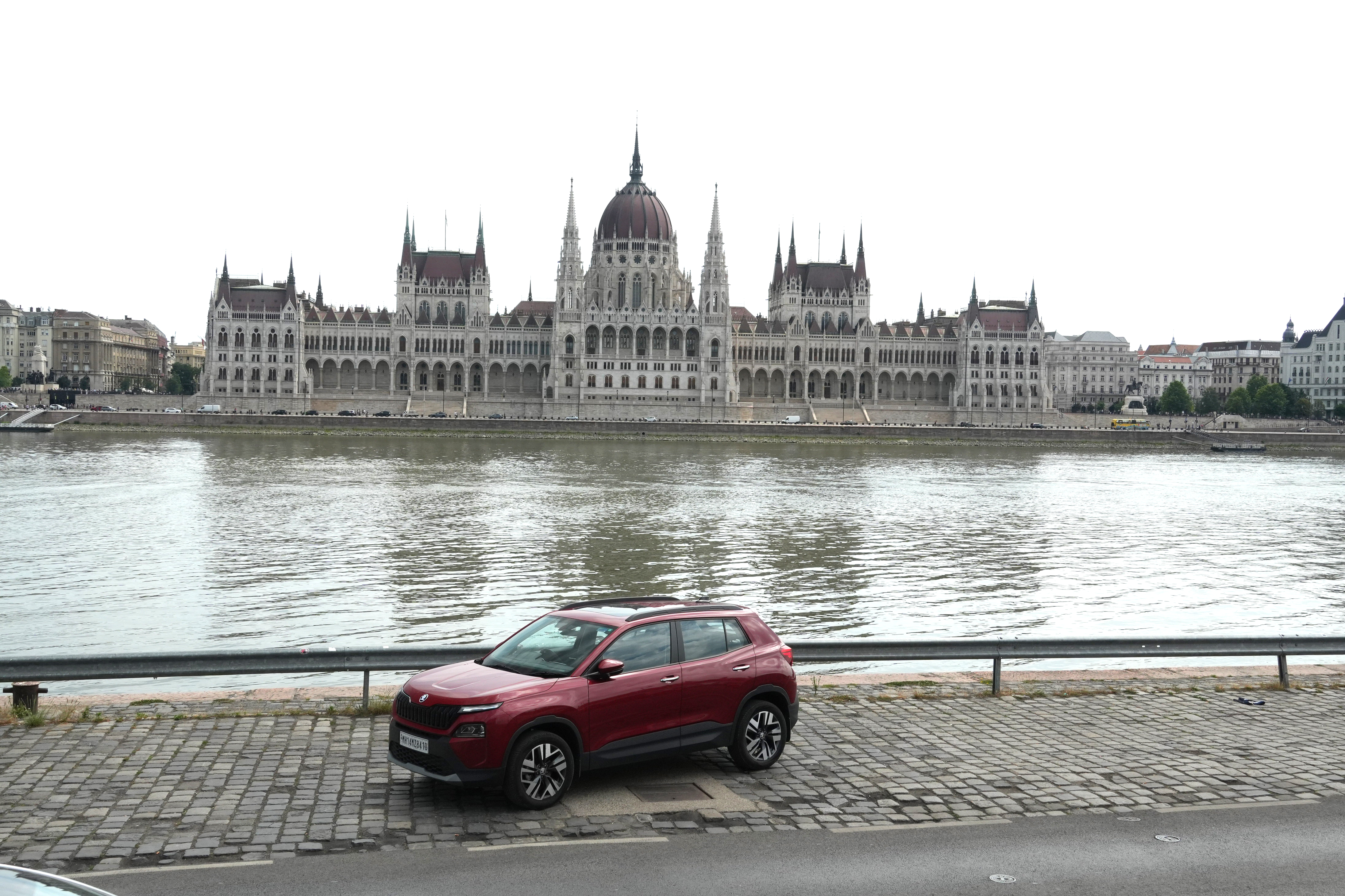
Budapest was practically a must-see stop in Hungary
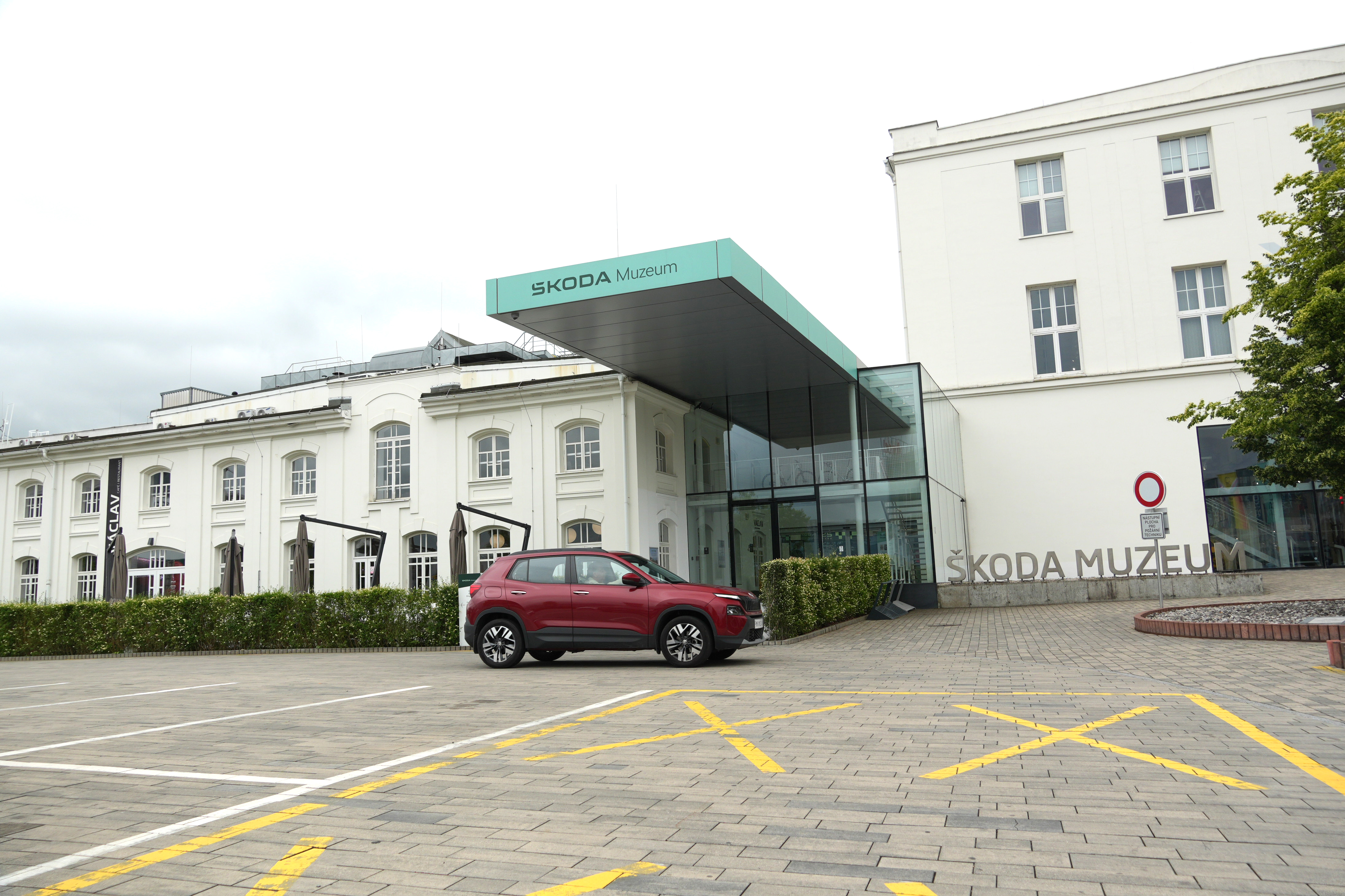
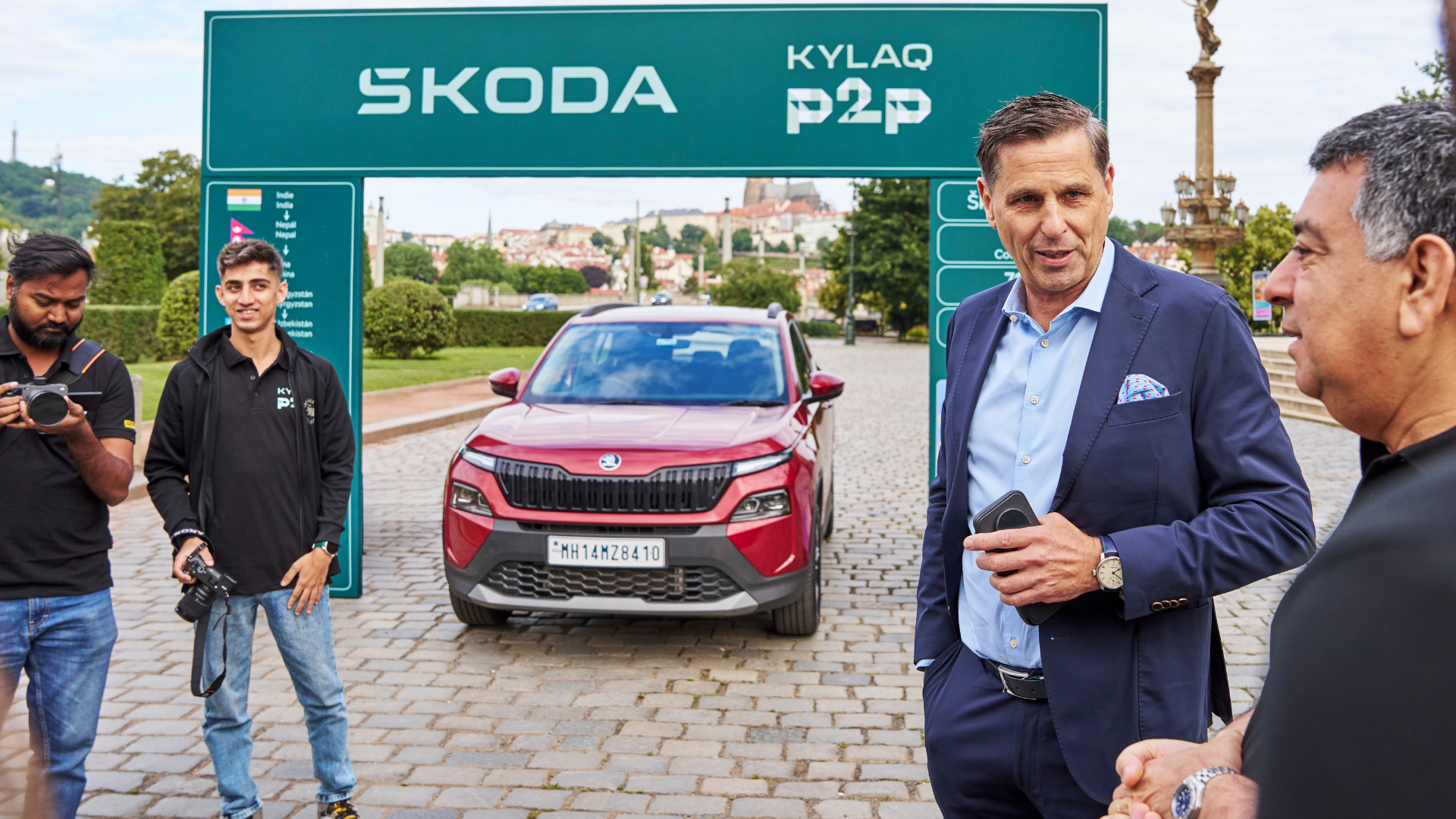
Before reaching its final destination in Prague, the expedition naturally also stopped in Mladá Boleslav, the home town of the Škoda automobile manufacturer
According to him, a pleasant surprise was its stability at high speeds—speeds the car doesn’t reach in India’s heavy traffic. He also praises the comfort of the seats: “I have some back problems that I feel on long drives, but everything was fine here.”
Among the practical features, the expedition participants noted that the large door pockets—each capable of holding two one-liter bottles of drinks—and the ventilated glove compartment in front of the passenger seat were excellent. “We were able to keep our drinks cool there and it kept our chocolate from melting,” smiles the editor of Autocar India.
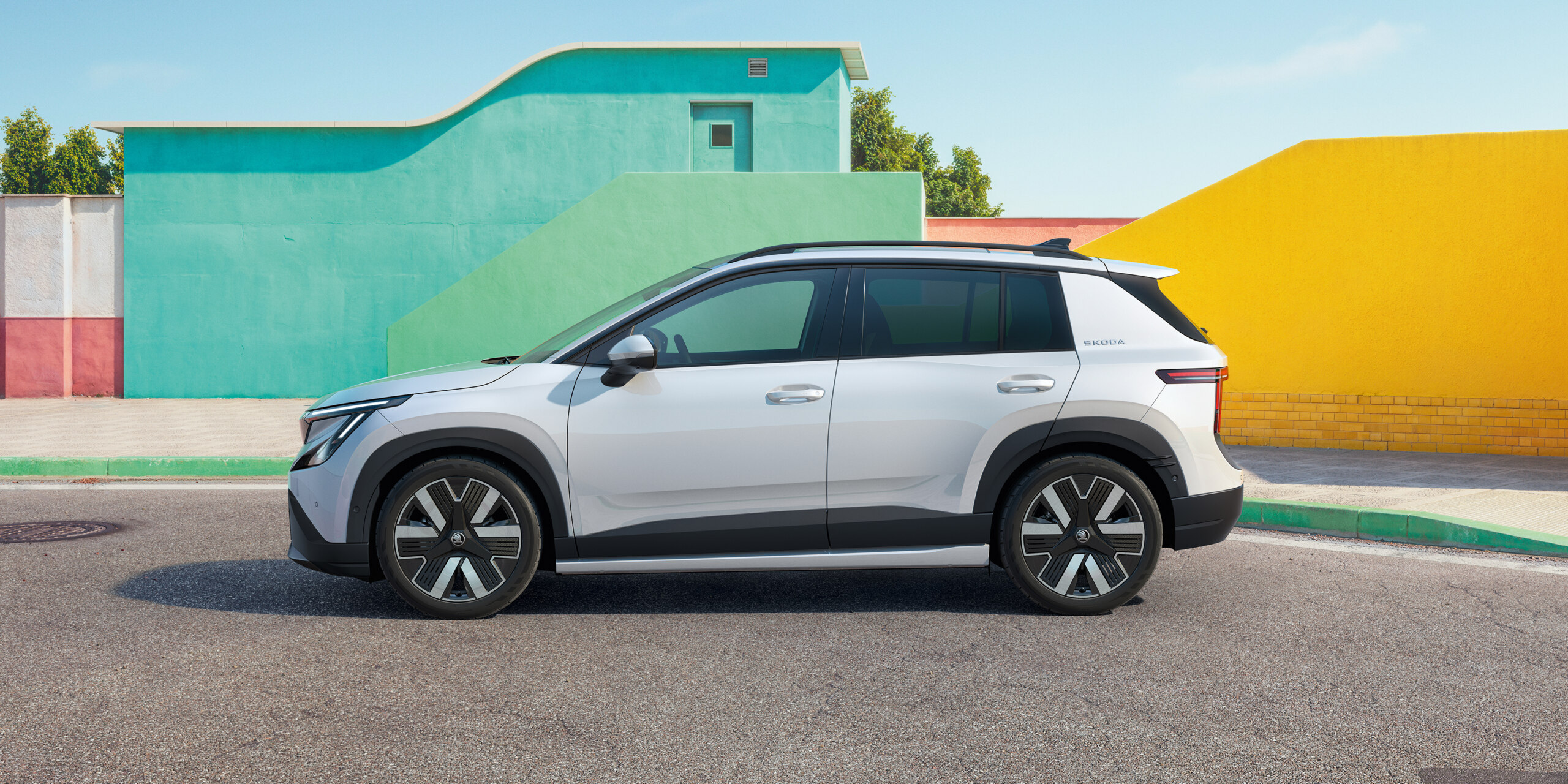
Škoda Kylaq
The Kylaq is a compact SUV just under 4 meters long. Thanks to its size which puts it as subject to lower taxes, it falls into the best-selling category of vehicles in India. The Kylaq is built on the MQB-A0-IN platform and is powered by a 1.0 TSI engine producing 85 kW and 178 Nm of torque, paired with either a six-speed manual or automatic transmission. Developed and manufactured locally, the vehicle is produced at the Chakan plant near Pune. It offers modern features and a 446-liter trunk. Before production began, it underwent rigorous testing in India at temperatures ranging from -10 to +85 °C and at altitudes of up to 3,000 meters above sea level. Thanks in part to this, it withstood the demanding test without a scratch.
The post 13 countries, over 19,000 kilometers. The Kylaq traveled from Pune to Prague appeared first on Škoda Storyboard.